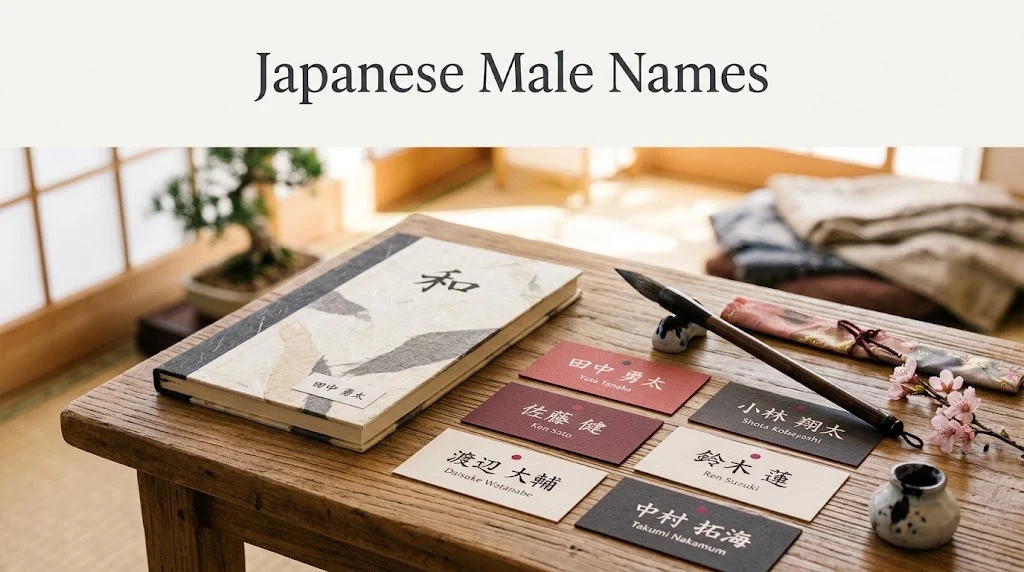
Japanese male names often reflect nature, strength, wisdom, happiness, and positive personal qualities. Their meanings depend on the kanji characters used, so the same pronunciation can represent different meanings depending on its written form.
A name can tell a story before a person even speaks. It can reflect family hopes, cultural traditions, personal values, and the qualities people wish to celebrate. That is one reason Japanese male names appeal to parents, writers, and anyone searching for a name with a meaningful background.
Japanese names are especially interesting because their meanings often depend on the characters used to write them. A name may be connected to the sun, ocean, trees, wisdom, courage, or happiness. Two names that sound similar can have very different meanings when written with different kanji.
Some Japanese boy names have a traditional and timeless feel, while others sound modern and fresh. You can also find short names that are easy to remember and longer names with rich cultural associations.
Whether you are choosing a baby name, developing a Japanese character for a story, or searching for inspiration for a creative project, understanding the meaning behind a name can help you make a thoughtful choice.
In this guide, we explore ten Japanese male names, their commonly associated meanings, their styles, and what makes each one appealing. We will also cover naming tips, modern trends, and answers to common questions.
Haruto
Meaning: Often associated with sunshine, sunlight, or a bright, expansive quality, depending on the kanji.
Origin: Japanese.
Personality: Haruto has a bright, optimistic, and energetic feel. It can suit a character or person imagined as friendly, hopeful, and full of potential.
Style: Modern, warm, popular, cheerful.
Best For: Baby boys, fictional characters, story protagonists, and people looking for a contemporary Japanese name.
Popularity: Haruto has been a prominent choice in recent Japanese baby-name rankings. Its popularity reflects the appeal of its sound and the many positive kanji combinations available.
Emotional Appeal: Haruto often evokes images of sunlight, warmth, and new beginnings. These associations make it attractive to families who want a hopeful meaning.
Pop Culture Reference: Haruto appears as a given name in Japanese entertainment and popular culture, although any specific character association depends on the work.
Similar Names: Hinata, Haruki, Hiroto, Hayato, Sota.
Why It Still Works Today: Haruto combines a modern sound with meaningful writing possibilities. It is a good choice for people who want a Japanese name that feels energetic without being overly complicated.
Ren
Meaning: Depending on the kanji, Ren can mean lotus, love, or other concepts.
Origin: Japanese, with meanings dependent on the written characters.
Personality: Ren feels calm, thoughtful, artistic, and confident. Its short sound gives it a clean and memorable identity.
Style: Minimalist, modern, elegant, gender-flexible in some contexts.
Best For: Baby boys, fictional heroes, artists, usernames, and short character names.
Popularity: Ren has become familiar internationally through Japanese entertainment and contemporary naming. Its compact form also makes it appealing to families who prefer short names.
Emotional Appeal: When written with the kanji for lotus, Ren can evoke the beauty and symbolism associated with the lotus flower. Other spellings can express different ideas.
Pop Culture Reference: Ren is used by characters and performers in Japanese and international media. Because several characters share the name, its associations depend on the particular series.
Similar Names: Rei, Riku, Ryo, Rin, Reiichi.
Why It Still Works Today: Ren is simple to pronounce in many languages and easy to remember. Its different possible kanji meanings also give families flexibility when choosing a written form.
Haruki
Meaning: May be associated with spring, brightness, radiance, or other positive ideas, depending on the kanji.
Origin: Japanese.
Personality: Haruki feels creative, gentle, intelligent, and thoughtful. It works well for someone imagined as curious and open-minded.
Style: Literary, modern, gentle, classic.
Best For: Baby boys, writers’ characters, students, artists, and people seeking a softer masculine name.
Popularity: Haruki is an established Japanese given name that is recognizable in both Japan and international literary circles.
Emotional Appeal: Some kanji combinations can connect Haruki with spring or brightness, creating a feeling of renewal and possibility.
Pop Culture Reference: Japanese author Haruki Murakami is a prominent cultural association with this name. His international recognition makes Haruki familiar to many readers.
Similar Names: Haruto, Hiroki, Haruma, Kazuki, Yuki.
Why It Still Works Today: Haruki has a balanced sound that feels gentle without losing its masculine character. Its literary association also makes it appealing to readers and creative people.
Sora
Meaning: Sky when written with the kanji 空.
Origin: Japanese.
Personality: Sora suggests openness, freedom, curiosity, and imagination. It suits a personality associated with exploration and creativity.
Style: Nature-inspired, modern, soft, memorable.
Best For: Baby boys, fictional characters, creative usernames, and people who love short nature-inspired names.
Popularity: Sora is recognizable in contemporary Japanese naming and has gained international familiarity through Japanese animation and games.
Emotional Appeal: The sky represents possibility, space, and freedom. A name with this meaning can feel peaceful yet full of adventure.
Pop Culture Reference: Sora is the name of the main protagonist of the Kingdom Hearts video game series. The character has helped make the name recognizable among international gaming audiences.
Similar Names: Kai, Aoi, Haru, Hikari, Riku.
Why It Still Works Today: Sora is short, easy to remember, and visually connected to nature through its sky meaning. It works well for both real-life naming inspiration and fictional characters.
Daiki
Meaning: Often associated with greatness, radiance, or a large tree, depending on the kanji.
Origin: Japanese.
Personality: Daiki feels confident, dependable, energetic, and ambitious. It can suit someone imagined as practical and determined.
Style: Strong, modern, familiar, masculine.
Best For: Baby boys, sports-inspired characters, protagonists, and people who prefer traditional yet contemporary names.
Popularity: Daiki has long been recognizable as a Japanese masculine given name. Its pronunciation is straightforward, although the meaning changes with the kanji.
Emotional Appeal: Some spellings can suggest greatness or strength, while others connect the name with trees and growth. Both offer positive associations.
Pop Culture Reference: Daiki appears as a given name in Japanese sports, anime, manga, and entertainment. One well-known fictional example is Daiki Aomine from Kuroko’s Basketball.
Similar Names: Taiki, Daichi, Daisuke, Takumi, Hiroki.
Why It Still Works Today: Daiki has a solid, confident sound and several possible written meanings. It is a versatile option for families and writers looking for a recognizable Japanese male name.
Kaito
Meaning: May be associated with the ocean, the sea, flight, or other ideas, depending on the kanji.
Origin: Japanese.
Personality: Kaito feels adventurous, independent, imaginative, and energetic. It is a natural fit for a character who enjoys discovery.
Style: Modern, adventurous, distinctive, youthful.
Best For: Baby boys, fictional adventurers, anime-inspired characters, gaming profiles, and creative writing.
Popularity: Kaito is recognizable in modern Japanese naming and has an appealing sound for international audiences.
Emotional Appeal: Some kanji combinations connect Kaito with the sea or ocean, creating images of exploration, depth, and freedom.
Pop Culture Reference: Kaito is associated with several Japanese fictional characters, including Kaito Kid from Magic Kaito and Detective Conan. The exact association depends on the character.
Similar Names: Kai, Haruto, Minato, Riku, Hayato.
Why It Still Works Today: Kaito sounds energetic without being difficult to remember. Its potential nature-related meanings also appeal to people who enjoy names connected with the ocean and adventure.
Takumi
Meaning: Often associated with an artisan, craftsman, or skilled person when written with the kanji 匠.
Origin: Japanese.
Personality: Takumi suggests creativity, patience, precision, and dedication. It suits someone imagined as talented and hardworking.
Style: Classic, artistic, confident, refined.
Best For: Baby boys, creative characters, craftsmen in fiction, artists, and people who appreciate skill and craftsmanship.
Popularity: Takumi is an established Japanese masculine given name. Its clear association with craftsmanship makes it particularly meaningful when written with 匠.
Emotional Appeal: The idea of a skilled craftsperson celebrates the value of learning, practice, and careful work. It can represent the hope that a person will develop their abilities.
Pop Culture Reference: Takumi Fujiwara is the central character in the racing manga and anime series Initial D, giving the name a strong connection with car-racing fiction.
Similar Names: Takuma, Takuya, Taiki, Kazuki, Hiroki.
Why It Still Works Today: Takumi combines a familiar Japanese sound with a meaningful association with skill. It works especially well for families and writers who value creativity and dedication.
Yuto
Meaning: Can express gentleness, excellence, courage, or other qualities depending on the kanji.
Origin: Japanese.
Personality: Yuto feels friendly, confident, relaxed, and approachable. It suits someone imagined as kind but self-assured.
Style: Modern, simple, youthful, versatile.
Best For: Baby boys, contemporary fictional characters, school-age characters, and easy-to-remember usernames.
Popularity: Yuto has been a familiar choice in modern Japanese naming. Its popularity can vary by year, region, and the specific written form.
Emotional Appeal: Depending on its kanji, Yuto can express positive qualities such as kindness or courage. Its sound also feels gentle and easygoing.
Pop Culture Reference: Yuto appears as a given name among Japanese entertainers and fictional characters. It should not be associated with one particular character without checking the context.
Similar Names: Yuma, Yuki, Yuta, Haruto, Sota.
Why It Still Works Today: Yuto is short, modern, and easy to say. Its variety of possible kanji meanings makes it flexible for families who want to personalize the name.
Itsuki
Meaning: Can be associated with trees or other concepts, depending on the kanji used.
Origin: Japanese.
Personality: Itsuki feels calm, independent, observant, and grounded. It may appeal to people who appreciate nature and understated confidence.
Style: Nature-inspired, modern, gentle, distinctive.
Best For: Baby boys, fictional characters, nature lovers, writers, and people seeking a memorable name.
Popularity: Itsuki is an established Japanese given name and has appeared in contemporary entertainment. The exact meaning depends on its written form.
Emotional Appeal: When written with tree-related kanji, Itsuki can suggest growth, stability, and a connection to nature.
Pop Culture Reference: Itsuki appears in multiple Japanese anime, manga, and other fictional works. One example is Itsuki Takeuchi from Initial D.
Similar Names: Itsuki, Itsuo, Itsuma, Haruki, Daiki.
Why It Still Works Today: Itsuki has a distinctive sound while remaining recognizable as a Japanese name. Its possible connection with trees makes it especially appealing to people who prefer natural imagery.
Akira
Meaning: Often associated with brightness, clarity, or intelligence, depending on the kanji.
Origin: Japanese.
Personality: Akira feels intelligent, creative, confident, and independent. It has a thoughtful quality that works for a wide range of personalities.
Style: Classic, bold, artistic, internationally recognizable.
Best For: Baby boys, fictional heroes, writers, artists, and people seeking a short name with cultural significance.
Popularity: Akira is a long-established Japanese given name and is familiar internationally through film, animation, literature, and popular culture. It can be used for different genders, depending on the person and context.
Emotional Appeal: Meanings associated with brightness and clarity suggest understanding, insight, and a positive outlook.
Pop Culture Reference: Akira is the influential Japanese animated film directed by Katsuhiro Otomo, based on his manga. Its international recognition has made Akira familiar to many fans of Japanese media.
Similar Names: Hikaru, Haruki, Aki, Rei, Makoto.
Why It Still Works Today: Akira is concise, expressive, and culturally recognizable. Its positive associations and strong presence in Japanese media give it lasting appeal.
Quick Comparison Table
| Name | Common Meaning or Association | Style | Best For |
|---|---|---|---|
| Haruto | Sunlight, brightness, or expansive qualities | Modern, cheerful | Baby boys, characters |
| Ren | Lotus, love, or other meanings depending on kanji | Minimalist, elegant | Babies, usernames |
| Haruki | Spring, brightness, or radiance | Gentle, literary | Babies, characters |
| Sora | Sky | Natural, modern | Babies, creative characters |
| Daiki | Greatness, radiance, or a large tree | Strong, confident | Babies, protagonists |
| Kaito | Ocean, sea, flight, or other meanings | Adventurous, modern | Babies, fictional heroes |
| Takumi | Artisan or skilled craftsperson with 匠 | Artistic, refined | Babies, creative characters |
| Yuto | Various positive qualities depending on kanji | Youthful, simple | Babies, usernames |
| Itsuki | Trees or other concepts, depending on kanji | Natural, distinctive | Babies, characters |
| Akira | Brightness, clarity, or intelligence | Classic, bold | Babies, artists |
How to Choose the Perfect Japanese Male Name
Choosing a Japanese name becomes easier when you consider its meaning, written form, sound, and cultural background.
Start with the meaning. Decide which qualities matter most to you. You may prefer a name associated with nature, courage, intelligence, kindness, happiness, or creativity.
Research the kanji. Japanese names can be written with different kanji, and the characters affect their meanings. Never assume that a pronunciation has only one meaning.
Check the pronunciation. Say the name aloud several times. If you plan to use it internationally, consider how easily people who do not speak Japanese can pronounce it.
Consider the full name. If you are choosing a name for a baby, examine how it sounds alongside the family name. Japanese name order traditionally places the family name before the given name, although international contexts may use a different order.
Think about cultural context. If you are not Japanese, take time to understand the name’s background and everyday usage. Cultural appreciation is strongest when it involves learning rather than relying on stereotypes.
Choose the right style. Names such as Haruto and Yuto feel contemporary, while Akira and Takumi have established histories and recognizable cultural associations. Nature-inspired choices such as Sora may appeal to people who prefer a softer style.
Verify the written form. Before settling on a name, consult a reliable Japanese dictionary or native-language resource to confirm the kanji, pronunciation, and intended meaning.
Most Popular Japanese Male Names Today
Japanese baby-name popularity changes from year to year. Names may rise or fall in popularity depending on current preferences, cultural influences, and the kanji used.
The following names are recognizable choices, but this is an inspiration list rather than a verified ranking for the current year.
- Haruto: A contemporary favorite with bright, positive associations.
- Ren: A short, stylish name with several possible meanings.
- Minato: A name that can be associated with a harbor when written with 港.
- Sota: A familiar modern name with multiple possible kanji combinations.
- Yuto: A simple, approachable name with flexible meanings.
- Haruki: A gentle name that can evoke spring or brightness.
- Kaito: An energetic name often chosen for its modern sound.
- Riku: A short name that can mean land when written with 陸.
- Daiki: A confident name with several positive interpretations.
- Hiroto: A contemporary name with multiple possible written meanings.
For current rankings, check annual baby-name surveys from reputable Japanese organizations and publications. Remember that rankings may differ depending on whether researchers count pronunciations, kanji spellings, or both.
Vintage Japanese Male Names Making a Comeback
Traditional and historically established names can appeal to people who want something with a classic feel.
Here are some names worth exploring:
- Isamu: Often associated with courage or bravery when written with 勇.
- Takeshi: Can be associated with strength or military qualities, depending on the kanji.
- Mamoru: Can mean to protect when written with 守.
- Noboru: Can mean to rise or ascend when written with 昇.
- Makoto: Often associated with sincerity or truth when written with 誠.
- Tadashi: Can express correctness or righteousness with certain kanji.
- Osamu: Can be associated with discipline, governance, or study, depending on the written form.
- Kazuo: A traditional masculine name with several possible kanji combinations.
These names have different histories and levels of familiarity in Japan. Whether a particular name is returning to fashion depends on current naming data, so it is best not to describe all traditional names as part of a confirmed comeback.
Modern Japanese Male Name Trends
Modern Japanese naming includes a wide range of sounds and written forms. Some families prefer short, easy-to-pronounce names, while others select names with elaborate kanji combinations and carefully chosen meanings.
Nature-inspired names remain an appealing category. Words associated with the sky, sea, trees, light, and seasons can create vivid imagery.
Another consideration is how a name sounds when spoken. Parents may choose names with a gentle rhythm, strong consonants, or a simple two- or three-mora structure.
The written form also matters. A name can be chosen for its meaning, appearance, sound, or a combination of these features. Some kanji can have several readings, and some names use readings that are not immediately obvious from the characters.
For people naming fictional characters, a useful approach is to match the name to the character’s background and personality without assuming that every Japanese name represents a specific personality type.
FAQs
What Do Japanese Male Names Usually Mean?
Japanese male names can refer to nature, seasons, strength, intelligence, happiness, virtue, or family hopes.
What Is a Good Japanese Male Name With a Strong Meaning?
Names such as Isamu, which can mean courage when written as 勇, and Takeshi, which has several possible interpretations associated with strength, may appeal to people looking for strong meanings.
Are Japanese Male Names Suitable for International Use?
Many Japanese names are relatively easy for international audiences to remember, including Ren, Sora, Akira, and Kai.
Are Japanese Male Names Written in Kanji?
Many Japanese given names are written in kanji, but hiragana and other writing conventions may also be used.
Can One Japanese Name Have Multiple Meanings?
Yes. A Japanese name’s meaning often depends on the kanji used to write it. The same pronunciation can be represented by different character combinations, each carrying a different meaning.
Conclusion
Choosing from Japanese male names is an opportunity to explore language, culture, and personal meaning. Names such as Haruto, Ren, and Sora offer contemporary appeal, while Takumi and Akira have recognizable cultural associations. Other choices can express ideas connected with nature, courage, intelligence, or happiness.
The most important step is to understand the name’s written form. Japanese pronunciations can have multiple meanings, so the kanji you choose can change the message behind the name. Take time to verify the spelling, pronunciation, and cultural context before making a final decision.
Whether you are choosing a name for a baby, creating a fictional character, or simply exploring Japanese naming traditions, look for a name that feels meaningful and respectful. Pick your favorite, share this guide with someone who needs inspiration, and leave a comment telling us which name you like best.
Discover More Related Articles:
- Orange Cat Names | Cute, Funny & Unique Ideas In 2026
- Popular Girl Names | Beautiful Ideas With Meanings In 2026