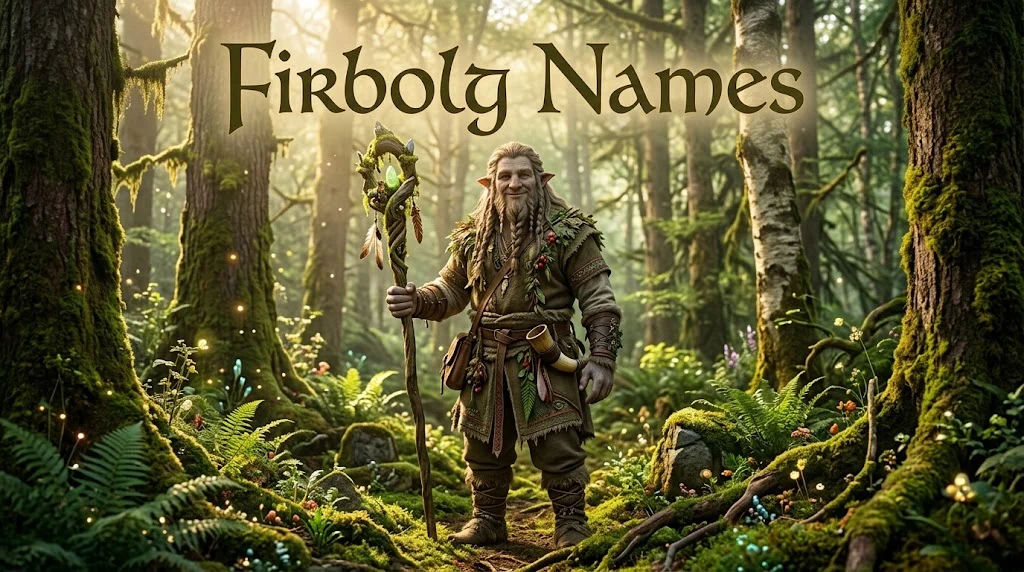
Firbolg names are fantasy character names inspired by forests, nature, elven sounds, and gentle giant folklore in Dungeons & Dragons. Players can choose a flowing name, a nature-based nickname, or a title that reflects their character’s deeds.
Some fantasy characters enter a room with a mighty roar. Others arrive quietly, carrying a walking stick, a pouch of herbs, and a tiny bird perched on one enormous shoulder. If you are creating the second kind of character, firbolg names can help bring your imagination to life.
In Dungeons & Dragons (D&D), firbolgs are associated with giant ancestry, woodland environments, and a thoughtful connection to nature. Their naming traditions are especially interesting because they do not always treat names as important labels. In published fifth-edition lore, firbolgs may adopt elven-style names when speaking with outsiders or accept nicknames based on their actions and habits.

Spawning Pool
+1
That opens up plenty of creative possibilities. Your character might be called Willowmere, Mosswhisper, or Thalen, or they might be known throughout the forest as the Gentle Giant or the Keeper of Rain.
This guide explores ten original fantasy name ideas, their suggested meanings, personalities, styles, and possible nicknames. The meanings created for these names are imaginative suggestions, not official translations from D&D lore. Whether you are building a druid, ranger, healer, traveler, or a wonderfully awkward forest giant, you will find inspiration here.
Willowmere
Meaning: Guardian of the willow grove. This is a creative fantasy interpretation, not an official D&D translation.
Origin: Original English-inspired fantasy name combining willow and mere, an old word associated with a lake or body of water.
Personality: Willowmere suits a patient, gentle firbolg who listens before speaking. They might care for injured animals, gather medicinal plants, and protect a peaceful woodland village.
Style: Nature-inspired, elegant, peaceful, magical.
Best For: Firbolg druids, healers, storytellers, female characters, or gender-neutral fantasy characters.
Popularity: Willow is familiar in modern naming, while Willowmere feels more unusual and suited to fantasy settings. It is an original suggestion rather than an established D&D character name.
Emotional Appeal: The name brings together the graceful willow tree and the calm atmosphere of a forest lake. It feels like a place where a character could rest, think, and find answers.
Pop Culture Reference: It fits the wider woodland-fantasy tradition seen in fairy tales and nature-centered fantasy worlds, without referring to a specific established character.
Similar Nicknames: Willow, Mere, Willa, Will, Willowheart.
Why It Still Works Today: Willowmere has a soft, memorable sound and gives a character an immediate connection to the natural world. It is especially useful if you want a name that feels poetic without becoming too complicated to say around the gaming table.
Thalen
Meaning: Suggested meaning: quiet protector of the forest.
Origin: Original fantasy name with a flowing, elven-inspired sound. The proposed meaning is invented for this article.
Personality: Thalen suits a thoughtful firbolg ranger who notices broken branches, distant footsteps, and changes in animal behavior. They might be quiet around strangers but deeply loyal to trusted companions.
Style: Classic fantasy, understated, adventurous, calm.
Best For: Male firbolg characters, rangers, druids, scouts, or any character who prefers actions over speeches.
Popularity: Thalen is presented here as a fantasy naming suggestion. Its short spelling and familiar sounds make it easy to remember during a campaign.
Emotional Appeal: Thalen sounds steady rather than flashy. It can suggest a character who protects others without needing praise or attention.
Pop Culture Reference: Its style fits the broader tradition of melodic names used in high fantasy, but it is not intended as a reference to a particular franchise character.
Similar Nicknames: Thal, Len, Thally, T, Thalenwood.
Why It Still Works Today: A good role-playing name should be easy to pronounce repeatedly. Thalen is compact, flexible, and suitable for a character who might be a quiet forest guardian in one campaign and an adventurous traveler in another.
Mosswhisper
Meaning: One who speaks softly to the forest.
Origin: Original descriptive fantasy nickname combining moss and whisper.
Personality: Mosswhisper fits a gentle, observant firbolg who understands the rhythms of woodland life. They may communicate with animals, study mushrooms, or spend hours listening to the wind through ancient trees.
Style: Mystical, earthy, whimsical, nature-centered.
Best For: Firbolg druids, forest healers, shy characters, nature-loving bards, and characters with a close relationship to woodland creatures.
Popularity: Mosswhisper is a creative compound name rather than an established traditional name. It is ideal for players who prefer descriptive titles over conventional fantasy names.
Emotional Appeal: The name suggests patience and closeness to nature. It feels gentle and mysterious without making the character sound frightening.
Pop Culture Reference: It evokes the woodland atmosphere common in fairy tales and fantasy adventures, rather than a specific existing character.
Similar Nicknames: Moss, Whisper, Mossy, Softstep, Leafwhisper.
Why It Still Works Today: Descriptive names are easy for other players to remember because they hint at the character’s personality. Mosswhisper also works as an earned title: perhaps the character received it after calming a frightened forest creature or discovering a hidden woodland path.
Brambleheart
Meaning: A kind heart protected by thorns.
Origin: Original English-inspired fantasy compound name.
Personality: Brambleheart is perfect for a firbolg who appears intimidating but has a generous nature. They may stand between danger and their friends, yet spend their free time tending flowers or making little wooden toys for children.
Style: Rustic, strong, warm, protective.
Best For: Firbolg guardians, clerics, druids, gentle warriors, or characters with a protective streak.
Popularity: This is an original fantasy-style name rather than a documented D&D name. Its nature-based structure makes it feel at home in woodland adventures.
Emotional Appeal: Brambles have thorns, but they also provide shelter for small creatures and berries for wildlife. The name captures the idea that strength and kindness can exist together.
Pop Culture Reference: Bramble-based names are familiar in fairy-tale and woodland fantasy settings, although Brambleheart here is an original character idea.
Similar Nicknames: Bramble, Bram, Heartwood, Berry, Thornheart.
Why It Still Works Today: Brambleheart gives you an instant character concept. It suggests someone who is difficult to frighten but easy to love once others get to know them. That contrast can make role-playing scenes more memorable.
Faelora
Meaning: Suggested meaning: a spirit who brings flowers to the forest.
Origin: Original fantasy name with soft, elven-inspired sounds. This proposed meaning is fictional rather than a verified linguistic translation.
Personality: Faelora suits an imaginative firbolg who loves spring, collects unusual seeds, and believes every neglected patch of land deserves a chance to bloom. She might be a patient teacher or an adventurous druid.
Style: Feminine, graceful, whimsical, magical.
Best For: Female firbolg druids, healers, herbalists, nature bards, and characters with a gentle or artistic personality.
Popularity: Faelora is a creative fantasy option, not a verified ranking-based popular name. Its lyrical sound makes it suitable for a storybook setting.
Emotional Appeal: The name feels bright and delicate without losing its fantasy character. It can symbolize renewal, kindness, and the small wonders that appear when a forest begins to grow again.
Pop Culture Reference: Its sound fits the broader style of fantasy names inspired by elves and magical forests, but it is not based on a specific copyrighted character.
Similar Nicknames: Fae, Flora, Lora, Fifi, Faela.
Why It Still Works Today: Faelora is easy to shorten, and its soft sounds contrast nicely with the physical strength often associated with firbolgs. It works particularly well for a character who uses wisdom and compassion rather than force to solve problems.
Oakenshade
Meaning: A protector who finds shelter beneath ancient oak trees.
Origin: Original English-inspired compound name using oak and shade.
Personality: Oakenshade fits a calm, dependable firbolg who has lived among old trees for many years. They might be the community’s guide, mediator, or keeper of forgotten stories.
Style: Ancient, grounded, dignified, woodland-inspired.
Best For: Elder firbolgs, male characters, druids, village guardians, and wise mentors.
Popularity: Oakenshade is an original descriptive fantasy name. It feels more like a title or chosen name than an everyday human name, which can suit a character who prefers nature-based identities.
Emotional Appeal: Oaks often symbolize endurance and strength in storytelling. Combined with shade, the name suggests protection and comfort rather than dominance.
Pop Culture Reference: It draws on familiar fantasy imagery of ancient forests and wise woodland guardians, not a particular existing fictional character.
Similar Nicknames: Oak, Oaken, Shade, Oakie, Greenshade.
Why It Still Works Today: Oakenshade immediately suggests history. You could give it to a firbolg who has guarded the same grove for decades or a traveler who earned the title after sheltering a village from a terrible storm. It also leaves plenty of room for a personal backstory.
Riverfern
Meaning: A life that flows gently and grows wherever it finds room.
Origin: Original English-inspired fantasy compound name combining river and fern.
Personality: Riverfern suits a curious, adaptable firbolg who enjoys traveling along streams and exploring unfamiliar forests. They might be a ranger who maps natural springs or a druid who helps damaged ecosystems recover.
Style: Fresh, peaceful, adventurous, gender-neutral.
Best For: Firbolg rangers, druids, travelers, gender-neutral characters, or characters who value freedom.
Popularity: Riverfern is an invented fantasy name rather than a traditional name with an established popularity record.
Emotional Appeal: A river represents movement, while a fern suggests quiet growth. Together, they make a fitting name for a character who adapts to change without abandoning their values.
Pop Culture Reference: It reflects familiar nature-fantasy imagery rather than a direct reference to a particular book, game, or film.
Similar Nicknames: River, Fern, Riv, Riva, Fernie.
Why It Still Works Today: Riverfern feels natural in both gentle and adventurous stories. It suits a firbolg who prefers to wander rather than settle in one grove, and its two simple elements create nicknames that other players can remember easily.
Aurelith
Meaning: Suggested meaning: golden light among ancient trees.
Origin: Original fantasy name built around a luminous, elven-inspired sound. The meaning is a creative interpretation, not an established translation.
Personality: Aurelith fits a thoughtful firbolg who finds beauty in small details: sunlight on leaves, stars above the canopy, or the first flowers after winter. They may be a wise druid, a patient scholar, or a gentle magical guide.
Style: Elegant, mystical, refined, celestial.
Best For: Female or gender-neutral firbolg characters, magic users, druids, bards, and fantasy protagonists.
Popularity: Aurelith is a coined fantasy name, not a name with verified popularity statistics. Its distinctive sound makes it suitable for players who want something uncommon.
Emotional Appeal: The suggested golden-light imagery gives the name a hopeful feeling. It suits a character who brings reassurance into difficult situations or believes that damaged places can heal.
Pop Culture Reference: Its structure resembles names often used in high fantasy, but this suggestion is not intended to represent an established franchise character.
Similar Nicknames: Aure, Aura, Lith, Relli, Auri.
Why It Still Works Today: Aurelith is distinctive without being excessively long. Its shorter forms also provide practical options for conversation, while the full name can suit ceremonial introductions, ancient legends, or important moments in a campaign.
Fernwick
Meaning: Suggested meaning: friend of the hidden fern grove.
Origin: Original fantasy compound name combining fern with the place-name element wick, used here for a quaint woodland feel.
Personality: Fernwick is ideal for a cheerful, slightly eccentric firbolg who knows where the best berries grow and can find a comfortable campsite in almost any weather. They might enjoy practical jokes, cooking, or collecting unusual objects from travelers.
Style: Cozy, playful, rustic, storybook-inspired.
Best For: Funny firbolgs, friendly NPCs, halfling-loving giants, herbalists, or characters with a cozy woodland personality.
Popularity: Fernwick is an invented fantasy name. Its village-like sound makes it suitable for a character who is approachable rather than mysterious.
Emotional Appeal: The name feels like a warm cottage hidden behind ferns. It suggests a character who welcomes visitors, offers them tea, and remembers every small kindness.
Pop Culture Reference: It evokes the cozy side of fairy-tale fantasy rather than referencing a specific existing character.
Similar Nicknames: Fern, Wick, Wicky, Fernie, Little Wick.
Why It Still Works Today: Not every fantasy character needs a grand or serious name. Fernwick adds warmth and humor to a campaign, especially when paired with a tall, powerful character who is far more interested in baking than fighting.
Dawnroot
Meaning: A new beginning grounded in ancient wisdom.
Origin: Original English-inspired fantasy compound name combining dawn and root.
Personality: Dawnroot suits a firbolg who has survived a difficult chapter in life and now helps others find hope. They might restore damaged woodland, guide lost travelers, or teach young adventurers to respect the land.
Style: Hopeful, earthy, wise, poetic.
Best For: Firbolg druids, healers, storytellers, mentors, or characters with a redemption or renewal arc.
Popularity: Dawnroot is a creative character name, not an established traditional name or a name with verified popularity data.
Emotional Appeal: Dawn suggests a fresh start, while roots represent stability and connection. Together, they create a name that balances change with belonging.
Pop Culture Reference: Its imagery is common to nature-centered fantasy storytelling, but the name itself is offered as an original idea.
Similar Nicknames: Dawn, Root, Dory, Dayroot, Sunroot.
Why It Still Works Today: Dawnroot is useful for a character whose story revolves around recovery, growth, or protecting a place that has been harmed. It can also work for a firbolg who is optimistic without being naïve.
Mossbloom
Meaning: New life growing in a quiet, overlooked place.
Origin: Original English-inspired fantasy compound name combining moss and bloom.
Personality: Mossbloom fits a gentle firbolg who sees potential where others see a wasteland. They might grow herbs, cultivate rare flowers, or help a forest recover after a fire or magical disaster.
Style: Cute, gentle, botanical, whimsical.
Best For: Female or gender-neutral characters, firbolg gardeners, druids, healers, and friendly forest companions.
Popularity: Mossbloom is an original fantasy suggestion, not a traditional D&D name with official popularity statistics.
Emotional Appeal: Moss is quiet and resilient, while bloom represents beauty and new growth. The combination feels tender and hopeful, making it a lovely choice for a character who cares for small living things.
Pop Culture Reference: The name fits woodland fantasy and cottage-inspired storytelling without borrowing from a specific fictional character.
Similar Nicknames: Mossy, Bloom, Bloomi, Mossie, Blossom.
Why It Still Works Today: Mossbloom is memorable and easy to visualize. It can suit a peaceful player character, a beloved village healer, or a cheerful NPC who carries seeds wherever they travel.
Quick Comparison Table
| Name | Suggested Meaning | Style | Best For |
|---|---|---|---|
| Willowmere | Guardian of the willow grove | Elegant, peaceful | Druids and healers |
| Thalen | Quiet forest protector | Classic, adventurous | Rangers and scouts |
| Mosswhisper | One who speaks softly to nature | Mystical, earthy | Druids and storytellers |
| Brambleheart | Kindness protected by thorns | Strong, warm | Guardians |
| Faelora | Spirit who brings flowers | Graceful, magical | Healers and bards |
| Oakenshade | Shelter beneath ancient oaks | Wise, dignified | Elders and mentors |
| Riverfern | Gentle flow and growth | Fresh, versatile | Travelers and rangers |
| Aurelith | Golden light among trees | Elegant, mystical | Magic users |
| Fernwick | Friend of the hidden fern grove | Cozy, playful | Funny or friendly characters |
| Dawnroot | New beginnings and wisdom | Hopeful, poetic | Mentors and healers |
| Mossbloom | Life growing in overlooked places | Cute, botanical | Gardeners and druids |
Note: These meanings are creative interpretations for character inspiration, not canonical translations or official D&D definitions.
How to Choose the Perfect Firbolg Name
Choosing a name becomes easier when you connect it to your character’s history, personality, and role in the campaign.
Think about your character’s personality.
A gentle healer might suit Mossbloom or Willowmere, while a dependable protector could be Brambleheart or Oakenshade. Choose a name that reflects how your character behaves rather than simply how they look.
Consider their connection to nature.
Many firbolg concepts work well with trees, rivers, flowers, weather, animals, and woodland plants. A character who protects an ancient forest might have an oak-inspired name, while a traveler could suit Riverfern.
Decide whether the name is personal or earned.
In published D&D lore, firbolgs can use elven-style names with outsiders and may accept descriptive nicknames based on their actions or habits.
Make sure the name is easy to say.
Your gaming group may repeat the name dozens of times. A name such as Thalen is easy to remember, while a longer name can still work if you have a simple nickname.
Match the name to the character’s role.
- Druid: Willowmere, Mossbloom, Dawnroot
- Ranger: Thalen, Riverfern, Oakenshade
- Healer: Faelora, Mosswhisper, Willowmere
- Bard: Aurelith, Faelora, Fernwick
- Friendly village guardian: Brambleheart, Oakenshade, Fernwick
These are creative suggestions, not restrictions on which names a character can use.
Create a small backstory.
Ask yourself why the character received their name. Perhaps Fernwick grew rare herbs for a village, or Dawnroot helped restore a forest after a magical disaster. Even a short story can make a name feel personal.
Most Popular Firbolg Names Today
There is no reliable universal ranking of the most popular firbolg names. The following curated list includes recognizable fantasy-style ideas and original names that are easy to use in D&D campaigns.
- Thalen
- Willowmere
- Mosswhisper
- Brambleheart
- Faelora
- Oakenshade
- Riverfern
- Aurelith
- Fernwick
- Dawnroot
- Mossbloom
- Greenhollow
- Silverfern
- Moonwillow
- Rainkeeper
The names above are suggestions, not a measured popularity ranking. Greenhollow, Silverfern, Moonwillow, and Rainkeeper are additional original fantasy ideas.
Vintage Firbolg Names Making a Comeback
Firbolgs do not have one universal historical naming system that maps neatly onto human vintage names. However, you can create an old-fashioned fantasy atmosphere through traditional-sounding names, nature-based titles, and names that suggest an ancient woodland home.
Consider these options:
- Alderwood: A name inspired by an alder tree and an old forest.
- Eldermoss: A title for a patient, experienced woodland guardian.
- Thornvale: A name for a firbolg associated with a secluded valley.
- Briarwyn: A melodic, old-world fantasy name.
- Oakenshade: A dignified name for an experienced protector.
- Willowmere: A peaceful name inspired by trees and water.
- Hearthroot: A name for someone who keeps a community connected.
- Stonefern: A grounded name for a character who values patience and endurance.
These are invented fantasy names, not historical firbolg names. Their appeal comes from the familiar sounds of old woodland tales and folklore-inspired settings.
Modern Firbolg Naming Trends
When designing a firbolg character, you can draw on several useful fantasy naming styles.
Nature-based compound names: Combining two familiar words can make a name descriptive and memorable. Mosswhisper, Riverfern, and Dawnroot are examples.
Soft, elven-inspired names: Flowing sounds and simple syllables can work well for firbolgs who use names when interacting with outsiders. Thalen and Faelora illustrate this style. The idea of firbolgs adopting elven-style names comes from published D&D lore, while these particular examples are original suggestions.
Earned titles: Instead of using a formal surname, give your character a title based on a memorable deed. Examples include the Rain Listener, the Gentle Giant, and the Keeper of Seeds.
Short, friendly names: Moss, Fern, Bram, and Thal are easy for other players to remember. They can also make a character seem more approachable.
Names with contrasting personalities: A huge firbolg called Little Fern or a quiet healer called Stormroot can create a memorable character without relying on a complicated name.
The strongest approach is to choose a style that supports your character’s story. You do not have to follow every naming convention, especially if your campaign has its own worldbuilding.
Firbolg Names and Their Meaning in D&D Lore
Firbolgs have an unusual place in Dungeons & Dragons because their relationship with names differs from the naming customs of many other fantasy peoples.
Published fifth-edition lore describes firbolgs as relying on deeds, habits, and familiarity with their forest homes rather than placing great importance on formal names among their own kind. When dealing with outsiders, they may adopt elven names or accept names other people give them.
This tradition gives players plenty of creative freedom.
For example, your firbolg might be known to their community through a distinctive habit. Perhaps they always help injured birds, so outsiders call them Birdfriend. Another character might quietly repair damaged trees and become known as the Root Keeper.
You can also give your character a name they choose for themselves when they leave home. A firbolg who travels beyond their forest for the first time might select Riverfern because they feel drawn to streams and distant places.
Remember that the names and meanings in this article are original suggestions. They are not official translations or a list of canon firbolg names. If your campaign uses a particular D&D setting, you can adapt the names to fit its lore.
FAQs
What are the best firbolg names for D&D?
Willowmere, Thalen, Mosswhisper, Brambleheart, and Oakenshade are strong options for different character styles.
Do firbolgs have traditional names in D&D?
Published fifth-edition lore describes firbolgs as placing little importance on formal names among their own communities.
What are good female firbolg names?
Faelora, Willowmere, Aurelith, and Mossbloom are original fantasy suggestions for female firbolg characters.
What are good male firbolg names?
Thalen, Oakenshade, Brambleheart, and Dawnroot are useful ideas for male firbolg characters.
Can firbolg names be gender-neutral?
Yes. Players can create gender-neutral firbolg names by choosing nature-inspired words or fantasy names that do not strongly suggest a particular gender.
Conclusion
The best firbolg names do more than sound magical. They help tell a story about a character’s connection to nature, their community, and the adventures that shaped them. A name such as Willowmere can suggest peace, while Brambleheart hints at kindness protected by strength. Thalen offers a simple fantasy feel, and Fernwick brings a little humor to the forest.
Remember that the meanings in this guide are creative interpretations, not official translations from Dungeons & Dragons. You can use them as inspiration and change them to fit your own world.
Choose a name that feels natural for your character, then consider adding a nickname based on a memorable deed or personality trait. If you enjoyed these ideas, share the article with your D&D group and leave a comment with your favorite name or your own creative firbolg name.
Discover More Related Articles:




1 thought on “Firbolg Names | Magical Ideas, Meanings & Nicknames In 2026”