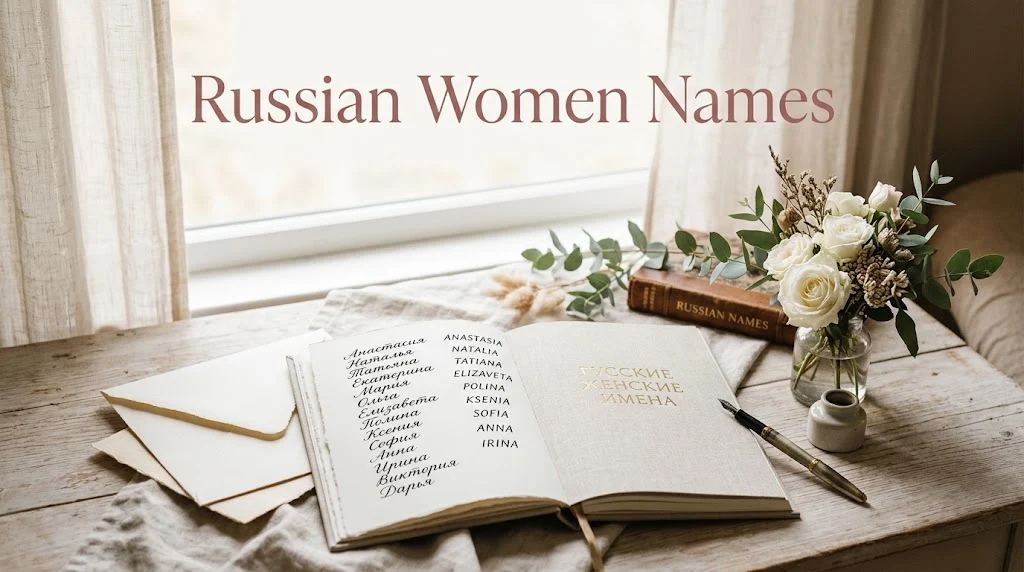
Russian women names include traditional choices such as Anastasia, Ekaterina, Natalia, and Tatiana. Many have Greek, Latin, Hebrew, or Slavic roots and use affectionate diminutives such as Nastya, Katya, Natasha, and Tanya.
Russian women’s names have a special charm. Some sound graceful and timeless, while others feel bold, romantic, or wonderfully traditional. Many have been passed down through generations, appearing in Russian literature, family histories, films, and everyday life. Their appeal also reaches beyond Russia, making them popular choices for parents, writers, and anyone searching for a memorable name.
One fascinating feature of Russian names is the way a single name can have several familiar forms. Anastasia, for example, may become Nastya, while Ekaterina is often shortened to Katya. These affectionate forms are called diminutives, and they are an important part of everyday Russian conversation.
When exploring Russian women names, it helps to look beyond pronunciation. The name’s history, original language, cultural associations, and nickname possibilities can all make it more meaningful.
This guide explores ten beautiful Russian female names, including their origins, meanings, personalities, styles, and related names. Whether you love classic names, elegant choices, or shorter modern favorites, these ideas will help you find a name that feels right for your list.
Anastasia
Meaning: Resurrection.
Origin: Greek, from Anastasios, a name associated with rising or resurrection. Anastasia became established in Russian through Christian naming traditions.
Personality: Anastasia feels graceful, expressive, confident, and imaginative. Its long, flowing sound gives it a refined personality, while its shorter forms feel friendly and approachable.
Style: Elegant, classic, romantic, feminine, timeless.
Best For: Baby girl, daughter, fictional heroine, character name, or an elegant personal nickname.
Popularity: Anastasia is a familiar traditional name in Russia and internationally. It has remained recognizable across generations rather than belonging to just one trend.
Emotional Appeal: Its meaning offers a sense of renewal and hope. Many people also love its flexibility, as the full name feels formal while Nastya sounds relaxed and affectionate.
Pop Culture Reference: Anastasia is the title character of the animated film Anastasia, which helped introduce the name to many international audiences.
Similar Nicknames: Nastya, Nastia, Asya, Stasya, Ana.
Why It Still Works Today: Anastasia combines history with a variety of modern nickname options. It suits a formal introduction just as comfortably as an everyday conversation. Its recognizable spelling and lyrical sound also make it appealing to people outside Russian-speaking communities.
Ekaterina
Meaning: Traditionally associated with Catherine; the deeper etymology is debated, although the name is often linked to the Greek name Aikaterine.
Origin: Russian form of Catherine, a name with a long history in Christian Europe.
Personality: Ekaterina feels intelligent, composed, ambitious, and sophisticated. Its full form has a stately quality, while its shorter versions sound lively and personal.
Style: Regal, traditional, elegant, formal, classic.
Best For: Baby girl, daughter, literary character, historical character, or anyone who appreciates a traditional Russian name.
Popularity: Ekaterina is an established Russian form that has been used for centuries. Its familiarity makes it a classic rather than a newly invented choice.
Emotional Appeal: The name has a strong connection to Russian history and literature. Its nickname options also make it easy to adapt to different relationships and stages of life.
Pop Culture Reference: Catherine the Great, the eighteenth-century empress of Russia, is one of the best-known historical figures associated with the Russian form of this name, Ekaterina.
Similar Nicknames: Katya, Katyusha, Katenka, Kat, Rina.
Why It Still Works Today: Ekaterina offers the best of both worlds: a distinguished full name and warm everyday forms. Katya is particularly recognizable, while Rina gives the name a shorter, more contemporary feel.
Natalia
Meaning: Often interpreted as “Christmas Day” or “of the Nativity,” reflecting its Latin roots.
Origin: Latin, from natalis, associated with birth. Natalia has long been used in Russian-speaking communities.
Personality: Natalia feels warm, thoughtful, graceful, and dependable. It has a smooth rhythm that can suit a quiet personality or someone with a confident presence.
Style: Classic, feminine, international, understated, elegant.
Best For: Baby girl, daughter, sister, friend, or a character with a traditional background.
Popularity: Natalia is a longstanding name in Russia and many other countries. Its international versions make it familiar across different languages.
Emotional Appeal: Its connection with birth and the Nativity gives the name a celebratory quality. Natasha, one of its best-known Russian diminutives, adds a more intimate and affectionate feel.
Pop Culture Reference: Natalia appears in international literature and entertainment. Natasha Romanoff, the Marvel character Black Widow, is a familiar example of the related name Natasha.
Similar Nicknames: Natasha, Natasha, Nat, Nata, Tasha.
Why It Still Works Today: Natalia is easy to recognize and adapts well to different languages. It feels traditional without sounding overly formal, and its shorter versions offer several options for family, friends, and everyday use.
Tatiana
Meaning: The traditional feminine form of the Roman family name Tatianus; its deeper origin is uncertain.
Origin: Latin and Roman naming traditions, with a long history in Russia and other Eastern European countries.
Personality: Tatiana feels artistic, poised, romantic, and self-assured. It has a graceful sound that suits both classic and contemporary naming preferences.
Style: Literary, elegant, traditional, feminine, sophisticated.
Best For: Baby girl, daughter, sister, fictional character, or someone seeking a distinctive classic name.
Popularity: Tatiana is an established Russian name with international recognition. The spelling Tatyana is another familiar transliteration.
Emotional Appeal: The name has a strong literary connection that gives it a thoughtful, cultured feeling. Its affectionate short forms can also make a formal-sounding name feel close and familiar.
Pop Culture Reference: Tatiana is central to Alexander Pushkin’s celebrated Russian novel in verse, Eugene Onegin. The character Tatiana Larina is one of the best-known Tatianas in Russian literature.
Similar Nicknames: Tanya, Tanechka, Taty, Tania, Ana.
Why It Still Works Today: Tatiana combines literary history with a versatile sound. Tanya makes it casual and friendly, while Tatiana itself feels polished enough for formal settings. It is a strong choice for anyone who values names with cultural depth.
Olga
Meaning: Commonly traced to Old Norse Helga, meaning “holy” or “blessed.”
Origin: Old Norse roots, introduced into East Slavic naming traditions through historical Scandinavian and Slavic connections.
Personality: Olga feels strong, practical, confident, and independent. Its short structure gives it a direct sound, while its history adds a traditional and dignified quality.
Style: Vintage, classic, strong, concise, traditional.
Best For: Baby girl, daughter, family name, fictional character, or someone who appreciates vintage names.
Popularity: Olga has a long history in Russia and other Slavic countries. Although its popularity varies by generation and location, it remains a recognizable traditional name.
Emotional Appeal: Olga feels grounded and substantial. Its connection with historical figures gives it a sense of continuity, making it appealing to families who value heritage.
Pop Culture Reference: Saint Olga of Kyiv, a tenth-century ruler associated with the history of Kyivan Rus’, is a notable historical figure connected with the name.
Similar Nicknames: Olya, Olenka, Olechka, Olia, Ola.
Why It Still Works Today: Olga is short, memorable, and easy to spell in English. Its traditional image can also make it appealing to people rediscovering vintage names. Olya gives it a softer, more affectionate everyday form.
Irina
Meaning: Peace.
Origin: Greek, derived from Eirene, the name of the Greek goddess associated with peace. Irina is a common form in Russian and several other languages.
Personality: Irina feels calm, thoughtful, independent, and composed. Its clean sound gives it an understated elegance without needing a long or elaborate spelling.
Style: Minimalist, elegant, classic, international, refined.
Best For: Baby girl, daughter, friend, fictional character, or someone who likes short traditional names.
Popularity: Irina is an established name in Russia and other Eastern European communities. It is familiar internationally while still retaining a distinct cultural identity.
Emotional Appeal: The meaning of peace gives Irina a gentle, positive association. Its short form also makes it practical for everyday life without sacrificing elegance.
Pop Culture Reference: Irina appears in international fiction and entertainment, although no single character defines the name’s broader Russian history.
Similar Nicknames: Ira, Irochka, Irinka, Rina, Ina.
Why It Still Works Today: Irina is concise and versatile. It can sound formal in professional settings and affectionate when shortened to Ira or Rina. Its established history gives it lasting appeal for families seeking something classic but not overly elaborate.
Svetlana
Meaning: Commonly interpreted as “light” or “luminous,” although the name’s historical development is more complex than a simple literal translation.
Origin: Slavic. Svetlana became especially established in Russian through literary and cultural use.
Personality: Svetlana feels bright, expressive, creative, and confident. Its meaning encourages associations with warmth and clarity, while its full sound gives it a distinctive presence.
Style: Traditional, lyrical, feminine, distinctive, Slavic.
Best For: Baby girl, daughter, writer’s character, fictional heroine, or anyone interested in Slavic heritage.
Popularity: Svetlana is a well-known Russian and Slavic name. Its popularity has varied across generations and regions, but it remains culturally recognizable.
Emotional Appeal: The association with light makes the name feel optimistic. It can suggest hope, warmth, and a bright outlook without requiring a complicated meaning.
Pop Culture Reference: Svetlana is used in Russian literature and international television, though its broader cultural associations extend well beyond any single character.
Similar Nicknames: Sveta, Svetik, Lana, Svetochka, Lani.
Why It Still Works Today: Svetlana stands out because of its distinctive sound and Slavic roots. Sveta offers a friendly short form, while Lana provides a concise alternative that may feel more familiar to international audiences.
Vera
Meaning: Faith.
Origin: Vera is associated with the Russian word for faith. It is also connected to the wider Slavic naming tradition.
Personality: Vera feels thoughtful, steady, sincere, and quietly confident. Its simple structure creates a calm impression, making it a good match for people who appreciate understated names.
Style: Vintage, minimalist, elegant, classic, timeless.
Best For: Baby girl, daughter, sister, literary character, or anyone who likes short names with meaningful associations.
Popularity: Vera has a long history in Russia and other European countries. It has also gained renewed interest in some English-speaking naming circles.
Emotional Appeal: Faith is a powerful and personal concept. For some families, Vera represents belief, trust, or hope. Its brevity makes that meaning feel direct rather than overly elaborate.
Pop Culture Reference: Vera is used in literature, television, and film across several cultures, which has helped keep it familiar internationally.
Similar Nicknames: Verochka, Verka, Vee, Verushka, Verusha.
Why It Still Works Today: Vera is short, easy to pronounce, and full of character. It can fit a vintage naming list or a modern minimalist style. Its established history also means it does not rely on a passing trend.
Lyudmila
Meaning: Commonly interpreted from Slavic elements as “dear to the people” or “beloved by the people.”
Origin: Slavic, formed from elements associated with people and affection or favor.
Personality: Lyudmila feels dignified, warm, thoughtful, and traditional. Its length gives it a distinctive presence, while its meaning carries a community-centered feeling.
Style: Vintage, literary, traditional, Slavic, distinctive.
Best For: Baby girl, daughter, family name, historical character, or someone who wants a less common traditional choice.
Popularity: Lyudmila is a well-established Slavic name. It may feel more vintage to some modern audiences, although it remains familiar in Russian-speaking communities.
Emotional Appeal: The name’s connection with being loved or dear to the people gives it a generous, welcoming quality. It also has a strong sense of heritage.
Pop Culture Reference: Lyudmila appears in Russian literature and cultural history, including the literary fairy-tale poem Ruslan and Lyudmila by Alexander Pushkin.
Similar Nicknames: Lyuda, Lyudochka, Mila, Lucy, Ludmila.
Why It Still Works Today: Lyudmila offers a meaningful alternative to more internationally familiar names. Mila provides a short, contemporary-sounding option, while the full name preserves its traditional Slavic character.
Quick Comparison Table
| Name | Meaning | Style | Best For |
|---|---|---|---|
| Anastasia | Resurrection | Romantic and elegant | Baby girl |
| Ekaterina | Traditional Catherine form | Regal and classic | Baby girl |
| Natalia | Of the Nativity | Timeless and graceful | Baby girl |
| Tatiana | Traditional Roman name | Literary and refined | Baby girl |
| Olga | Holy or blessed | Vintage and strong | Baby girl |
| Irina | Peace | Minimalist and elegant | Baby girl |
| Svetlana | Light or luminous | Distinctive and lyrical | Baby girl |
| Vera | Faith | Simple and timeless | Baby girl |
| Lyudmila | Dear to the people | Vintage and traditional | Baby girl |
| Natasha | Common diminutive of Natalia | Friendly and familiar | Nickname or given name |
How to Choose the Perfect Russian Women’s Name
Choosing a Russian name becomes easier when you consider more than its sound.
Understand the meaning. Look for a name whose history or meaning resonates with your values. Anastasia is associated with resurrection, Irina with peace, and Vera with faith.
Check the original language. Not every name commonly used in Russia originated in Russian. Some have Greek, Latin, Hebrew, or Old Norse roots and became established through religion, literature, or historical contact.
Explore the nickname forms. Russian diminutives can vary by relationship and context. Anastasia may become Nastya, Ekaterina may become Katya, and Tatiana may become Tanya. These forms are not always interchangeable in every situation, so check their natural usage.
Consider pronunciation and spelling. Russian names may have different English spellings because Cyrillic letters are transliterated in several ways. Tatyana and Tatiana are examples of different spellings of a related name.
Think about the full name. Say the first name alongside the middle name and surname. Consider whether you prefer the Russian spelling, an established English spelling, or a transliteration that reflects the original pronunciation more closely.
Respect the cultural background. If you are choosing a name for a child or character, research how it is used by Russian speakers. A little cultural context can prevent misunderstandings and help you appreciate the name’s history.
Choose a name that lasts. Think about how the name might feel in childhood, adulthood, and professional settings. A flexible name with a natural short form can be especially practical.
Most Popular Russian Women’s Names
Popularity changes by generation, region, and personal preference. The following are recognizable traditional or widely used names, rather than a verified ranking of the most popular names in Russia today.
- Anastasia
- Maria
- Anna
- Sofia
- Ekaterina
- Natalia
- Tatiana
- Olga
- Irina
- Alexandra
- Daria
- Polina
- Elena
- Victoria
- Alina
Some of these names are also common beyond Russia. Maria, Anna, and Sofia, for example, have long histories across several European and Christian naming traditions.
Vintage Russian Women’s Names Making a Comeback
Vintage names often return as families rediscover names associated with grandparents, classic literature, and earlier generations. Some traditional Russian names can feel especially distinctive to modern audiences.
Consider these options:
- Vera
- Olga
- Lyudmila
- Nina
- Galina
- Valentina
- Raisa
- Zoya
- Tamara
- Antonina
Their popularity varies across communities, so it is better to treat them as vintage-inspired choices rather than assume they are all trending nationally. Many also have affectionate short forms, which can make an older name feel fresh and personal.
Modern Trends in Russian Women’s Names
Modern Russian naming includes a mix of traditional favorites, international names, and renewed interest in shorter choices. Names such as Sofia, Anna, Maria, and Alexandra have broad cross-cultural recognition, while names such as Svetlana and Lyudmila carry a more distinctly Slavic feel.
Short forms remain important. A formal name can have several familiar everyday versions. Katya, Nastya, Tanya, and Olya are examples of diminutives associated with traditional Russian names.
International spelling matters. Russian names are often written in Latin letters when used in English. Several transliteration systems exist, which explains variations such as Tatyana and Tatiana or Natalia and Natalya.
Vintage names offer character. Names such as Vera, Nina, and Zoya can suit families looking for something compact with a long history.
Meaning still matters. Many people continue to appreciate names associated with faith, peace, light, or other positive ideas. However, a name’s meaning should be checked against reliable linguistic sources rather than assumed from its sound.
Understanding Russian Names and Diminutives
One of the most distinctive features of Russian naming customs is the use of diminutives. These are shorter or modified forms of a given name that can communicate affection, familiarity, or a particular social tone.
For example, Anastasia is often shortened to Nastya, Ekaterina to Katya, Tatiana to Tanya, and Olga to Olya. Some names have several diminutive forms, and the choice can depend on family habits, friendship, age, and the situation.
Russian names can also appear in a three-part formal naming structure: a given name, a patronymic derived from a parent’s first name, and a family surname. The patronymic is a distinct part of the naming system and should not be confused with a nickname.
Not every Russian name follows exactly the same pattern, and people may prefer different forms of their names. If you are choosing a Russian name for a real person, ask which form they prefer rather than assuming a diminutive is appropriate.
Russian Women’s Names: Quick Answers
What makes a name Russian?
A name may be considered Russian because it is commonly used in Russia, has an established Russian form, or belongs to Russian naming traditions. Its original linguistic roots may be Greek, Latin, Hebrew, Slavic, Norse, or another language.
Are Russian women’s names usually long?
Some traditional names, such as Ekaterina and Anastasia, are relatively long. Others, including Vera, Nina, and Olga, are short. Russian naming offers a wide range of lengths and styles.
Can Russian names have several nicknames?
Yes. Many Russian given names have multiple diminutive forms. The choice often depends on the relationship between speakers and the tone of the conversation.
Are Russian names and Slavic names the same?
No. Russian names form part of a wider Slavic naming landscape, but not every Slavic name is Russian. Different Slavic languages and cultures have their own naming histories and preferred forms.
Are Russian names used internationally?
Yes. Names such as Anna, Maria, Sofia, Natalia, and Anastasia are used in many countries. Some retain their original spellings, while others have localized versions.
FAQs
What are the most beautiful Russian women’s names?
Many people find Anastasia, Ekaterina, Natalia, Tatiana, and Svetlana beautiful because of their flowing sounds and established histories.
What is a common Russian female name?
Names such as Anna, Maria, Anastasia, Sofia, Ekaterina, and Natalia are familiar in Russian-speaking communities.
What Russian women’s names have beautiful meanings?
Irina is associated with peace, Vera with faith, and Anastasia with resurrection. Svetlana is commonly associated with light, while Olga is historically connected with a meaning like holy or blessed.
What are cute Russian nicknames for women?
Common affectionate forms include Nastya for Anastasia, Katya for Ekaterina, Tanya for Tatiana, Natasha for Natalia, Olya for Olga, and Ira for Irina.
What are old-fashioned Russian women’s names?
Vera, Olga, Lyudmila, Galina, Raisa, Valentina, and Antonina are examples of traditional names that may feel vintage to some modern audiences.
Conclusion
Russian women’s names offer a beautiful mix of history, cultural depth, and everyday charm. Anastasia and Ekaterina feel elegant and traditional, while Irina and Vera offer a shorter, understated style. Names such as Svetlana and Lyudmila also reflect the rich linguistic and literary traditions associated with Russian culture.
When choosing a name, explore its original meaning, pronunciation, history, and common nickname forms. Remember that many names used in Russia have roots in other languages, and meanings can be more complex than a simple one-word translation suggests.
Whether you prefer a classic name, a vintage choice, or an affectionate nickname, there is plenty of inspiration to explore. Pick your favorite, share this guide with someone who loves names, and leave a comment telling us which Russian women’s name you like best.
Discover More Related Articles:
- Inuit Names | Beautiful Ideas, Meanings & Origins In 2026
- Haitian Names | Beautiful, Unique & Meaningful Ideas In 2026








5 thoughts on “Russian Women Names | Beautiful Ideas & Meanings In 2026”