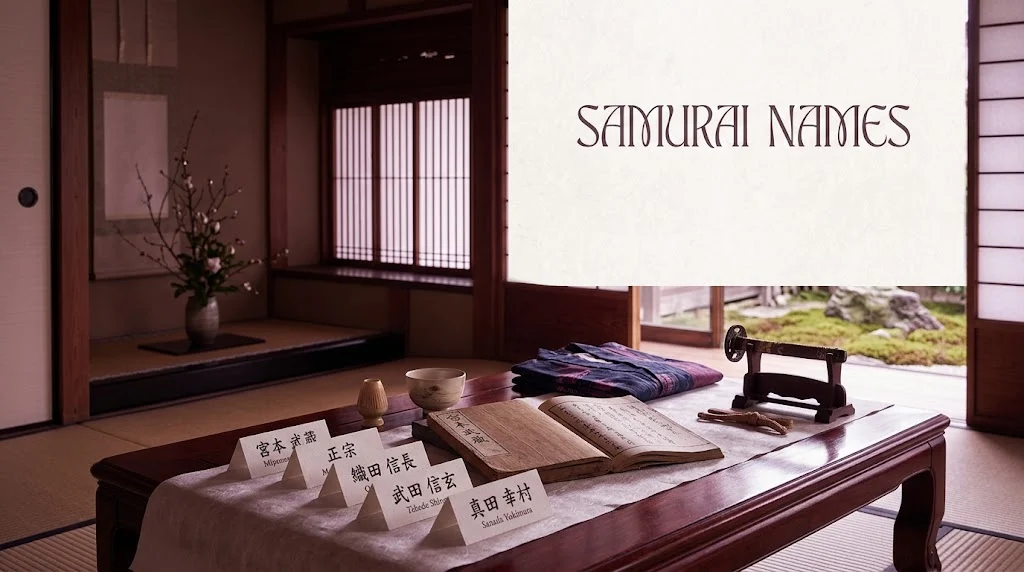
Few figures in Japanese history have captured the imagination quite like the samurai. Their stories are connected with loyalty, discipline, strategy, leadership, and the turbulent history of feudal Japan.
That makes samurai names especially appealing for writers, gamers, parents, and anyone looking for a name with strength and character.
A good samurai-inspired name can immediately create a sense of history. Names associated with famous warriors can suggest courage and leadership, while traditional Japanese given names can provide a quieter and more authentic feeling.
However, it is worth remembering that samurai did not all use a special category of “samurai names.” Historical warriors generally had ordinary Japanese personal names, clan names, titles, and sometimes childhood or adult names that changed during their lives.
With that distinction in mind, this guide explores famous historical names, Japanese warrior-inspired choices, clan names, and meaningful options that work beautifully for fictional characters and creative projects.
⚔️ Miyamoto Musashi
Meaning: Miyamoto is a surname; Musashi is strongly associated with the historical swordsman Miyamoto Musashi.
Origin: Japanese
Personality: Musashi evokes independence, discipline, strategy, patience, and mastery.
Style: Legendary, strong, historical, warrior-inspired
Best For: Fictional warrior, game character, story character, username
Popularity: Musashi remains one of the best-known names associated with Japanese swordsmanship outside Japan.
Emotional Appeal: The name has an unmistakable historical atmosphere. It feels serious, disciplined, and connected with martial tradition.
Historical Reference: Miyamoto Musashi was a famous Japanese swordsman, strategist, and author associated with the early Edo period. He is traditionally linked with the text The Book of Five Rings.
Similar Names: Kenshin, Kojiro, Hattori, Masamune, Yukimura
Why It Still Works Today: Musashi has become a recognizable shorthand for legendary Japanese swordsmanship. It is particularly effective when naming a fictional warrior who values strategy over brute force.
🗡️ Date Masamune
Meaning: Date is a historical Japanese family name; Masamune is a Japanese given name.
Origin: Japanese
Personality: Masamune suggests ambition, leadership, confidence, and individuality.
Style: Historical, powerful, refined, warrior-inspired
Best For: Samurai character, historical fiction, gaming character
Popularity: Masamune is strongly associated with the famous daimyo Date Masamune.
Emotional Appeal: The combination of Date and Masamune has a distinctive historical sound. It feels authoritative without being unnecessarily complicated.
Historical Reference: Date Masamune was a prominent daimyo of the Azuchi-Momoyama and early Edo periods. He was known for his military leadership and political influence.
Similar Names: Nobunaga, Yukimura, Ieyasu, Kenshin, Shingen
Why It Still Works Today: Masamune remains popular in fiction, games, manga, and other media inspired by Japanese history.
🏯 Oda Nobunaga
Meaning: Oda is a Japanese family name; Nobunaga is a historical Japanese given name.
Origin: Japanese
Personality: Nobunaga evokes ambition, decisiveness, innovation, and leadership.
Style: Historical, commanding, dramatic, powerful
Best For: Historical character, strategy-game character, warrior leader
Popularity: Nobunaga is one of the most recognizable names from Japan’s Sengoku period.
Emotional Appeal: The name carries a strong historical presence because of its association with one of the major figures who helped reshape Japan during the Sengoku era.
Historical Reference: Oda Nobunaga was a major daimyo during the Sengoku period and played an important role in the political unification of Japan.
Similar Names: Hideyoshi, Ieyasu, Shingen, Masamune, Kenshin
Why It Still Works Today: Nobunaga has a commanding sound and an established historical association, making it useful for characters who need an ambitious and powerful identity.
🦅 Takeda Shingen
Meaning: Takeda is a Japanese family name; Shingen was the Buddhist name adopted by Takeda Harunobu.
Origin: Japanese
Personality: Shingen suggests strategy, leadership, patience, and military intelligence.
Style: Historical, commanding, traditional, strategic
Best For: Samurai character, historical fiction, strategy games
Popularity: Shingen remains strongly associated with the Sengoku period.
Emotional Appeal: The name sounds distinctive and carries a sense of authority. It is particularly suitable for a character who leads through planning and discipline.
Historical Reference: Takeda Shingen was a powerful daimyo during the Sengoku period and is remembered for his military campaigns and rivalry with Uesugi Kenshin.
Similar Names: Kenshin, Nobunaga, Masamune, Yukimura, Ieyasu
Why It Still Works Today: Shingen has a historical depth that makes it especially attractive for writers and gamers building Japanese-inspired settings.
🌊 Uesugi Kenshin
Meaning: Uesugi is a Japanese family name; Kenshin was the Buddhist name of Uesugi Terutora.
Origin: Japanese
Personality: Kenshin evokes discipline, strategic thinking, determination, and strength.
Style: Traditional, historical, powerful, refined
Best For: Warrior character, historical fiction, gaming
Popularity: Kenshin is highly recognizable among people interested in Japanese history and popular culture.
Emotional Appeal: Kenshin is short, memorable, and carries an unmistakably Japanese sound.
Historical Reference: Uesugi Kenshin was a prominent daimyo of the Sengoku period, famous for his military campaigns and rivalry with Takeda Shingen.
Similar Names: Shingen, Musashi, Masamune, Yukimura, Nobunaga
Why It Still Works Today: Kenshin works particularly well because it feels both historically grounded and accessible to modern audiences.
🏹 Sanada Yukimura
Meaning: Sanada is a Japanese family name; Yukimura is the name commonly associated with Sanada Nobushige.
Origin: Japanese
Personality: Yukimura suggests courage, loyalty, resilience, and determination.
Style: Heroic, historical, dramatic, traditional
Best For: Samurai character, fantasy warrior, video game character
Popularity: Yukimura is strongly associated with Sanada Nobushige, especially through later historical storytelling.
Emotional Appeal: The name has a heroic quality and works naturally for a character who faces overwhelming odds.
Historical Reference: Sanada Nobushige, often called Sanada Yukimura in later tradition, was a prominent warrior of the late Sengoku and early Edo transition.
Similar Names: Masamune, Kenshin, Shingen, Musashi, Hattori
Why It Still Works Today: Yukimura has remained popular in historical fiction, games, anime, and other Japanese-inspired media.
🥷 Hattori Hanzo
Meaning: Hattori is a Japanese family name; Hanzō is a traditional Japanese personal name.
Origin: Japanese
Personality: Hanzo evokes secrecy, agility, discipline, and tactical skill.
Style: Warrior, ninja-inspired, mysterious, historical
Best For: Game character, fictional warrior, action character
Popularity: Hattori Hanzō is one of the most recognizable historical names associated with ninja and samurai imagery.
Emotional Appeal: The combination has a sharp, memorable rhythm that works exceptionally well in fictional settings.
Historical Reference: Hattori Hanzō refers to Hattori Hanzō Masanari, a retainer associated with Tokugawa Ieyasu. Later popular culture has greatly expanded the legendary image surrounding the name.
Similar Names: Musashi, Hanbei, Yukimura, Kenshin, Masamune
Why It Still Works Today: Hattori Hanzō has become a familiar name in global popular culture, particularly in stories involving Japanese warriors and espionage.
🔥 Tokugawa Ieyasu
Meaning: Tokugawa is a historical Japanese family name; Ieyasu is a Japanese given name.
Origin: Japanese
Personality: Ieyasu suggests patience, political intelligence, persistence, and leadership.
Style: Historical, authoritative, traditional, regal
Best For: Historical character, ruler, strategy character, Japanese-inspired fiction
Popularity: Ieyasu remains closely associated with one of the most influential figures in Japanese history.
Emotional Appeal: The name feels formal and powerful. It suits a character whose greatest strength is patience and long-term strategy.
Historical Reference: Tokugawa Ieyasu founded the Tokugawa shogunate, which governed Japan for more than two centuries beginning in the early seventeenth century.
Similar Names: Nobunaga, Hideyoshi, Masamune, Shingen, Kenshin
Why It Still Works Today: Ieyasu is a strong historical choice for stories involving leadership, political strategy, or the transformation of Japan.
🌙 Hojo Ujiyasu
Meaning: Hojo is a Japanese family name; Ujiyasu is a historical Japanese given name.
Origin: Japanese
Personality: Ujiyasu suggests intelligence, organization, leadership, and careful strategy.
Style: Historical, traditional, sophisticated, powerful
Best For: Historical fiction, strategy games, samurai characters
Popularity: Ujiyasu is less familiar internationally than names such as Nobunaga or Musashi, which can make it attractive for creators looking for something distinctive.
Emotional Appeal: The name feels authentic and understated rather than overly dramatic.
Historical Reference: Hojo Ujiyasu was a prominent daimyo of the Sengoku period and leader of the Later Hojo clan.
Similar Names: Ujinao, Shingen, Kenshin, Masamune, Nobunaga
Why It Still Works Today: Ujiyasu offers historical depth without being one of the most frequently used Japanese warrior names in popular media.
🐉 Minamoto no Yoshitsune
Meaning: Minamoto is a Japanese clan name; Yoshitsune is a historical personal name.
Origin: Japanese
Personality: Yoshitsune evokes courage, tactical brilliance, agility, and tragedy.
Style: Legendary, historical, heroic, dramatic
Best For: Epic character, warrior, historical fiction, fantasy
Popularity: Yoshitsune is one of the best-known warrior figures in Japanese history and legend.
Emotional Appeal: The name is strongly connected with heroic storytelling and traditional Japanese narratives.
Historical Reference: Minamoto no Yoshitsune was a military commander of the late Heian period. His life became the subject of numerous literary and theatrical traditions.
Similar Names: Musashi, Benkei, Yoritomo, Kenshin, Yukimura
Why It Still Works Today: Yoshitsune is ideal for stories that blend historical inspiration with heroic or legendary themes.
📊 Quick Comparison Table
| Samurai Name | Historical Association | Style | Best For |
|---|---|---|---|
| Musashi | Miyamoto Musashi | Legendary | Warrior character |
| Masamune | Date Masamune | Powerful | Game character |
| Nobunaga | Oda Nobunaga | Commanding | Leader character |
| Shingen | Takeda Shingen | Strategic | Warrior leader |
| Kenshin | Uesugi Kenshin | Traditional | Samurai character |
| Yukimura | Sanada Yukimura | Heroic | Fictional warrior |
| Hanzō | Hattori Hanzō | Mysterious | Action character |
| Ieyasu | Tokugawa Ieyasu | Authoritative | Ruler character |
| Ujiyasu | Hojo Ujiyasu | Refined | Historical character |
| Yoshitsune | Minamoto no Yoshitsune | Legendary | Epic warrior |
🗡️ More Samurai-Inspired Names
If you want a larger collection, these names can also provide inspiration:
- Akira
- Akio
- Daichi
- Haru
- Haruto
- Hayato
- Hiro
- Hiroshi
- Isamu
- Jiro
- Kaito
- Kenji
- Kenzo
- Makoto
- Ren
- Riku
- Ryota
- Saburo
- Shinji
- Shiro
- Tadao
- Takashi
- Takeo
- Taro
- Yori
- Yoshio
- Yuki
- Yukio
- Genji
- Koji
- Kojiro
- Kiyoshi
- Naoki
- Noboru
- Satoshi
- Shigeru
- Takumi
- Tomo
- Toru
- Wataru
These are Japanese personal names rather than a special historical category of “samurai names.” They can nevertheless work well for Japanese-inspired characters when their meanings and cultural contexts are researched carefully.
👸 Female Samurai and Warrior-Inspired Names
Women also played important roles in Japan’s warrior history, including women associated with the onna-musha tradition.
Some historically inspired names include:
- Tomoe
- Hangaku
- Nakano
- Kai
- Chiyo
- Oichi
- Yodo
- Sen
- Tora
- Kiku
Tomoe Gozen is particularly famous in Japanese historical and literary tradition. She is described in the Tale of the Heike as a skilled female warrior associated with Minamoto no Yoshinaka.
These names are best understood within their historical or literary contexts rather than as a separate naming system for female samurai.
🏯 Samurai Clan Names
If you want a surname-style choice for a character, historical Japanese clan and family names can provide useful inspiration.
Some well-known names include:
- Tokugawa
- Oda
- Takeda
- Uesugi
- Date
- Sanada
- Hojo
- Minamoto
- Taira
- Shimazu
- Mori
- Chosokabe
- Maeda
- Ii
- Akechi
When using a historical family or clan name, research the particular period and family because Japanese political and family structures changed significantly across centuries.
🧠 How to Choose the Perfect Samurai Name
Start by deciding what kind of character you are naming.
A strategic leader might suit a name associated with a historical daimyo such as Shingen or Ieyasu. A wandering swordsman might fit something like Musashi. A mysterious character could work well with a name such as Hanzō.
Next, consider historical accuracy. If you are writing historical fiction, check whether the name belongs to the correct period and whether the character actually used it during the events you are describing.
For fantasy or gaming, you have more creative freedom. You can choose a Japanese name based on its sound or meaning, but it is still helpful to understand what the name means before using it.
Finally, avoid choosing a name simply because it “sounds Japanese.” A little research can make a character feel much more authentic and respectful.
⭐ Most Famous Samurai Names
For readers who want immediately recognizable historical associations, these are strong starting points:
- Miyamoto Musashi
- Oda Nobunaga
- Tokugawa Ieyasu
- Takeda Shingen
- Uesugi Kenshin
- Date Masamune
- Sanada Yukimura
- Hattori Hanzō
- Minamoto no Yoshitsune
- Hojo Ujiyasu
These figures come from different periods and had different roles, so they should not all be treated as identical examples of samurai life.
🕰️ Ancient Japanese Warrior Names
If you want names with a deeper historical atmosphere, consider:
- Yoshitsune
- Yoritomo
- Benkei
- Taira
- Minamoto
- Shingen
- Kenshin
- Ieyasu
- Nobunaga
- Masamune
Some are personal names, some are family or clan names, and some are names by which historical figures became widely known.
🎮 Cool Samurai Names for Games
For gaming characters, these combinations can create a strong warrior identity:
- Shadow Kenshin
- Ronin Musashi
- Crimson Shingen
- Silent Hanzō
- Iron Masamune
- Moonblade Ren
- Storm Yoshitsune
- Black Ronin
- Dragon Kenshin
- Silver Samurai
- Ghost Musashi
- Blade of Kai
- Shogun Ren
- Night Warrior
- Crimson Ronin
These are creative combinations rather than historical names, making them better suited to fictional characters, usernames, and games.
📚 Samurai Names for Fictional Characters
When writing a character, think beyond the name itself.
A samurai character can have a personal name, family name, title, nickname, or descriptive epithet. For example, a fictional character might have a formal Japanese name and later become known by a battlefield title.
You can also use contrasting traits. A calm character with a powerful historical name can create an interesting impression, while a fierce character with a softer personal name can feel more nuanced.
The strongest character names usually support the story rather than replacing personality. Give the character goals, flaws, relationships, and motivations that make the name meaningful.
❓ FAQs
What is a famous samurai name?
Miyamoto Musashi is one of the most famous names associated with Japanese swordsmanship.
What are good samurai names for a boy?
Musashi, Kenshin, Shingen, Masamune, Ieyasu, Yoshitsune, Akira, Kenji, Takumi, and Hayato can work well for male characters.
What is a female samurai called?
Women who participated in warrior activities are often described using the term onna-musha. Tomoe Gozen is one of the best-known examples from Japanese historical and literary tradition.
What is a ronin?
A rōnin was a samurai who did not have a lord or master. The term is especially associated with the social and political structures of premodern Japan.
What is the difference between a samurai and a ninja?
Samurai were members of Japan’s warrior class and served lords or governments in various military, administrative, and social roles.
Conclusion
The world of samurai names offers much more than a collection of powerful-sounding words. Historical figures such as Miyamoto Musashi, Oda Nobunaga, Takeda Shingen, Uesugi Kenshin, Date Masamune, and Tokugawa Ieyasu each carry a different story and personality.
When choosing a name, think about the qualities you want it to represent. Is your character disciplined, strategic, loyal, mysterious, ambitious, or fearless? Let that personality guide the choice.
For fictional projects, you can use historical names as inspiration while creating something original. For historical writing, take extra care with dates, titles, family names, and cultural context.
Whether you need a name for a novel, game, character, username, or creative project, the right Japanese-inspired name can make your character feel memorable from the very first appearance.
Discover More Related Articlesl:
- 108+ Mythology Names | Legendary, Powerful & Beautiful Ideas In 2026
- 110+ Viking Names Male | Strong Norse Names for Boys