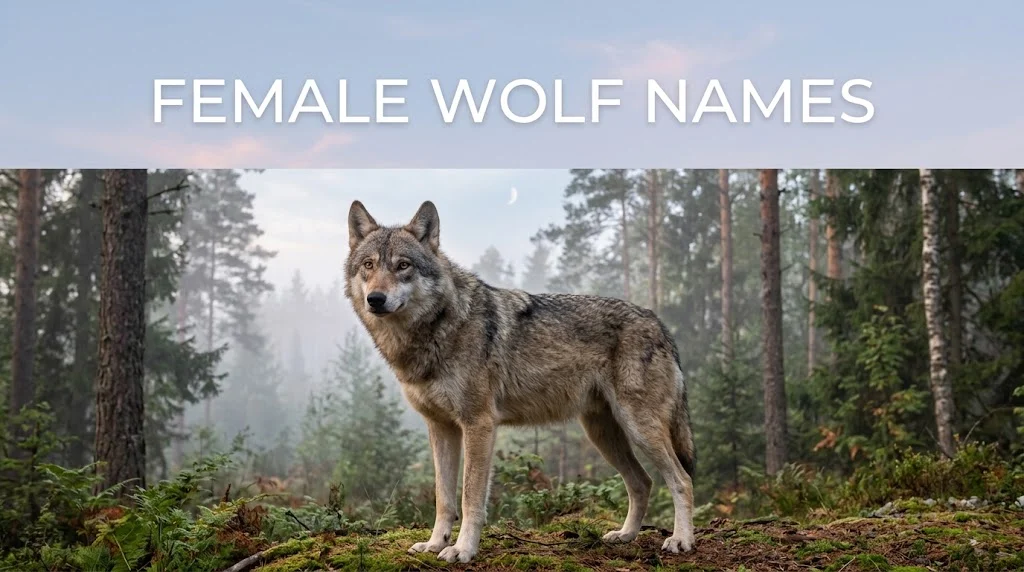
Female wolf names can be inspired by nature, mythology, moonlight, winter, and wild strength. Beautiful choices include Luna, Freya, Willow, Shadow, Aurora, Nyx, and Aspen, each offering a distinct style for a wolf character or fictional companion.
There is something fascinating about a female wolf. Wolves are intelligent, social animals known for their communication, family bonds, and remarkable adaptations to life in the wild. Their beauty and mysterious reputation have also made them popular characters in books, films, games, and fantasy stories.
Choosing from female wolf names can be an exciting way to capture that wild spirit. Perhaps you want a name that sounds fierce and powerful, or maybe you prefer something gentle inspired by the moon, snow, forests, or stars. You might even be creating a fantasy character who needs a name as unforgettable as her story.
The best name depends on the personality and setting you have in mind. A name like Shadow feels mysterious, while Willow sounds graceful and connected to nature. Freya brings a mythological touch, and Luna offers a dreamy, celestial feel.
In this guide, you’ll discover ten memorable names, their meanings or associations, their styles, and the characters they suit best. You’ll also find more ideas for white, black, gray, fantasy, and nature-inspired wolves.
Luna
Meaning: Moon, from Latin.
Origin: Latin.
Personality: Luna suggests a quiet, observant, mysterious character. It suits a fictional wolf who travels beneath the stars or appears during peaceful moonlit scenes.
Style: Magical, gentle, elegant, celestial.
Best For: A fantasy wolf, a silver-gray wolf character, a story companion, or a game avatar.
Popularity: Luna is a widely recognized given name and a familiar choice for pets and fictional characters. Its celestial association gives it lasting appeal.
Emotional Appeal: The moon creates a sense of wonder and mystery. Luna is easy to remember and has a soft sound that contrasts beautifully with a wolf’s wild reputation.
Pop Culture Reference: Luna is a familiar character name in popular books and entertainment, although the name is not specifically a traditional wolf name.
Similar Names: Selene, Stella, Nova, Lyra, Celeste.
Why It Still Works Today: Luna combines a short, memorable sound with a strong natural association. It can suit a gentle character or a powerful she-wolf whose story unfolds under the night sky.
Freya
Meaning: A name associated with the Norse goddess Freyja.
Origin: Old Norse mythology.
Personality: Freya feels confident, independent, brave, and regal. It suits a character who leads with intelligence and courage rather than relying only on physical strength.
Style: Mythological, bold, elegant, powerful.
Best For: A fantasy she-wolf, a queen of a fictional wolf pack, a warrior character, or a game avatar.
Popularity: Freya is a recognizable name in modern naming culture and remains a popular choice for mythology-inspired characters.
Emotional Appeal: The name has a strong historical and mythological connection. It gives a wolf character an air of dignity and importance without sounding complicated.
Pop Culture Reference: Freyja is a goddess in Norse mythology associated with several themes, including love and beauty. Her mythology provides inspiration for fantasy naming.
Similar Names: Astrid, Saga, Skadi, Runa, Valkyrie.
Why It Still Works Today: Freya is short, distinctive, and full of character. It works especially well when you want a name that feels ancient, magical, and strong.
Willow
Meaning: Named after the willow tree.
Origin: English, derived from the name of a tree.
Personality: Willow suggests flexibility, patience, gentleness, and quiet resilience. It suits a wolf character who is thoughtful, protective, and closely connected to the forest.
Style: Natural, graceful, soft, woodland-inspired.
Best For: A forest wolf, a gentle fantasy character, a story companion, or a nature-themed game character.
Popularity: Willow is an established nature-inspired name used for people, pets, and fictional characters.
Emotional Appeal: Willow trees are often associated with grace and flexibility. The name feels peaceful while still suggesting the ability to endure difficult conditions.
Pop Culture Reference: Willow appears in books, films, and television as a character name, though its connection to wolves comes mainly from its natural imagery.
Similar Names: Hazel, Fern, Ivy, Aspen, Maple.
Why It Still Works Today: Willow is easy to pronounce and carries a clear woodland feeling. It is ideal for a wolf character who is clever, calm, and at home among trees.
Shadow
Meaning: A dark shape created when light is blocked.
Origin: English vocabulary word used as a name.
Personality: Shadow suggests secrecy, agility, independence, and mystery. It fits a fictional wolf that moves quietly through a forest or appears unexpectedly in a dramatic scene.
Style: Dark, mysterious, cool, edgy.
Best For: A black wolf character, a stealthy game avatar, a nighttime fantasy character, or a mysterious story companion.
Popularity: Shadow is a familiar animal and fictional character name, especially in fantasy and adventure settings.
Emotional Appeal: The name creates an immediate picture without needing a complicated backstory. It feels dramatic and memorable, which makes it useful in stories and games.
Pop Culture Reference: Shadow is used widely in fiction and gaming, so its appeal is not limited to wolf characters.
Similar Names: Raven, Midnight, Eclipse, Onyx, Smoke.
Why It Still Works Today: Shadow is simple, vivid, and versatile. It can represent a dark-coated fictional wolf, but it also works for a quiet character whose presence is subtle and mysterious.
Aurora
Meaning: Dawn; also the name of the natural light display known as the aurora.
Origin: Latin.
Personality: Aurora suggests hope, beauty, curiosity, and a bright presence. It suits a character whose story begins after a difficult winter or who brings optimism to her pack.
Style: Elegant, magical, luminous, nature-inspired.
Best For: A white wolf character, a pale-gray fantasy wolf, a story heroine, or a celestial game avatar.
Popularity: Aurora is a familiar name with a long history and strong connections to nature and mythology.
Emotional Appeal: The name evokes colorful skies and the beginning of a new day. Its sound is graceful, making it a beautiful contrast to the wild setting of a wolf story.
Pop Culture Reference: Aurora is the name of the princess in Disney’s Sleeping Beauty, providing a well-known association with classic fantasy.
Similar Names: Dawn, Nova, Celeste, Stella, Lumi.
Why It Still Works Today: Aurora feels both timeless and imaginative. It is particularly suitable for a character associated with light, new beginnings, or the beauty of a winter landscape.
Nyx
Meaning: Night personified as a goddess in Greek mythology.
Origin: Ancient Greek mythology.
Personality: Nyx feels mysterious, independent, watchful, and powerful. It suits a wolf character that belongs to a darker fantasy world or appears after sunset.
Style: Mythological, dark, modern, minimalist.
Best For: A black wolf character, a night-themed fantasy heroine, a supernatural story, or a game avatar.
Popularity: Nyx is a recognizable mythological name that appeals to people looking for short, distinctive fantasy names.
Emotional Appeal: Its brief sound makes it easy to remember, while its mythological background gives it depth. The name feels mysterious without requiring a long explanation.
Pop Culture Reference: Nyx appears in modern fantasy and gaming contexts inspired by Greek mythology.
Similar Names: Nox, Nyssa, Eclipse, Onyx, Nocturne.
Why It Still Works Today: Nyx is an excellent option for writers who want a name with a dark, celestial mood. It is short enough for gaming and memorable enough for a central character.
Aspen
Meaning: Named after the aspen tree.
Origin: English, from the tree name.
Personality: Aspen suggests alertness, curiosity, adaptability, and a close connection to the natural world. It fits a wolf character who explores mountain forests or travels through snowy landscapes.
Style: Outdoorsy, modern, natural, adventurous.
Best For: A gray wolf character, a mountain wolf, a wilderness story, or a nature-themed game avatar.
Popularity: Aspen is an established nature-inspired name used in modern naming and fictional character creation.
Emotional Appeal: The name evokes mountain scenery, forests, and fresh air. Its connection to the outdoors makes it feel especially suitable for a wild animal character.
Pop Culture Reference: Aspen appears as a place name and personal name in contemporary culture, rather than being exclusive to wolf stories.
Similar Names: Willow, Rowan, Birch, Cedar, Sierra.
Why It Still Works Today: Aspen feels fresh without being difficult to pronounce. It is ideal for a wolf character whose world includes mountains, pine forests, or snowy trails.
Raven
Meaning: A large, dark-feathered bird.
Origin: English, from the bird’s name.
Personality: Raven suggests intelligence, independence, curiosity, and mystery. It fits a clever wolf character who notices details others miss or has a strong connection to the forest.
Style: Gothic, dark, nature-inspired, bold.
Best For: A black wolf character, a fantasy heroine, a mysterious companion, or a game avatar.
Popularity: Raven is an established personal name and a common inspiration for fictional characters.
Emotional Appeal: The raven has a strong presence in folklore and literature. Its dark appearance and intelligence give the name an atmospheric quality.
Pop Culture Reference: Raven is the name of a well-known superhero character from DC’s Teen Titans, giving the name an additional association with mystery and supernatural fiction.
Similar Names: Shadow, Onyx, Crow, Midnight, Ember.
Why It Still Works Today: Raven is familiar but still distinctive. It suits a wolf character who is clever, composed, and surrounded by a little mystery.
Ember
Meaning: A small glowing piece of burning wood or coal.
Origin: English vocabulary word.
Personality: Ember suggests warmth, determination, energy, and a quiet inner strength. It suits a character who may seem calm but becomes brave when her family or friends need her.
Style: Fiery, modern, warm, adventurous.
Best For: A reddish-brown wolf character, a fantasy heroine, a brave companion, or a fire-themed game avatar.
Popularity: Ember is a recognizable modern name that appears in pet naming and fantasy-inspired character creation.
Emotional Appeal: An ember may be small, but it can continue to glow after a fire fades. This makes the name a fitting symbol for endurance, hope, and strength.
Pop Culture Reference: Ember appears in contemporary fiction and entertainment as a name associated with fire or glowing light.
Similar Names: Blaze, Ash, Flame, Ruby, Sienna.
Why It Still Works Today: Ember has a lively sound and a vivid image behind it. It is especially useful for a character with a fiery personality or warm-colored fur in an illustrated fantasy world.
Quick Comparison Table
| Name | Meaning or Association | Style | Best For |
|---|---|---|---|
| Luna | Moon | Magical | Silver-gray wolf |
| Freya | Norse goddess | Powerful | Pack leader character |
| Willow | Willow tree | Gentle | Forest wolf |
| Shadow | Darkness or shade | Mysterious | Black wolf character |
| Aurora | Dawn and natural lights | Elegant | White wolf character |
| Nyx | Night goddess | Dark | Fantasy she-wolf |
| Aspen | Aspen tree | Adventurous | Mountain wolf |
| Raven | Dark-feathered bird | Gothic | Mysterious character |
| Ember | Glowing coal | Fiery | Red-brown wolf character |
| Nova | A star that suddenly becomes much brighter | Celestial | Magical wolf character |
How to Choose the Perfect Female Wolf Name
Choosing a name is easier when you think about the character or animal first. The following tips can help you find a name that feels right.
1. Consider the personality.
A brave, independent character might suit Freya or Nyx. A gentle and observant character may fit Willow or Luna. Let the personality guide your decision instead of choosing a name only because it sounds impressive.
2. Think about appearance.
Color-inspired names can be helpful for fictional wolves. Shadow and Raven suit dark imagery, while Aurora and Luna can evoke pale fur, moonlight, or snowy scenery. These are creative associations rather than rules about real wolves.
3. Choose a theme.
Nature, mythology, weather, stars, and woodland imagery all offer plenty of inspiration. Keeping one theme in mind can help your names feel consistent if you are naming several characters in a pack.
4. Keep pronunciation in mind.
Short names such as Nyx, Luna, and Ember are easy to remember. Longer or more unusual names can be equally good, especially if they have a meaning that matters to your story.
For real wolves, names are useful for storytelling, observation, and identification by researchers or caretakers. They should not be taken as a reason to approach or handle wild wolves.
Most Popular Female Wolf Names
These familiar choices work well for fictional characters, games, and creative projects:
- Luna
- Shadow
- Nova
- Willow
- Freya
- Aurora
- Raven
- Ember
- Skye
- Storm
- Misty
- Aspen
- Echo
- Winter
- Star
This is a curated list of recognizable naming ideas, not a verified ranking of the most frequently used wolf names.
Vintage Female Wolf Names Making a Comeback
Vintage names can give a wolf character a timeless, storybook personality. They are especially useful for fairy tales, historical fantasy, and woodland adventures.
- Pearl: A classic name associated with a precious gem.
- Iris: A Greek-origin name associated with the rainbow and a flower.
- Flora: A Latin name connected with flowers and plant life.
- Hazel: A nature-inspired name associated with the hazel tree and its color.
- Ruby: A traditional gemstone name with a bold sound.
- Mabel: An old-fashioned name derived from a Latin root associated with being lovable.
- Violet: A floral name with a delicate but memorable sound.
- Rose: A timeless flower name associated with beauty.
- Edith: An old English name with a traditional, dignified feel.
- Pearla: A variation inspired by Pearl.
These names are not all historically associated with wolves. Their appeal comes from their established naming histories and the atmosphere they create for a fictional character.
Modern Female Wolf Naming Trends
Modern wolf names often draw inspiration from short words, celestial imagery, nature, and fantasy.
Celestial names such as Luna, Nova, Lyra, and Stella are useful for characters connected to stars, the night sky, or magical worlds.
Nature names such as Willow, Aspen, Rowan, and Fern suit stories set in forests, mountains, and other wilderness environments.
Dark and mysterious names such as Shadow, Nyx, Raven, and Eclipse fit gothic fiction, supernatural stories, and nighttime adventures.
Powerful names such as Freya, Storm, Blaze, and Valkyrie can suit a confident character or a fictional pack leader.
Soft and elegant names such as Aurora, Iris, Pearl, and Skye offer a gentler alternative to traditional fierce-sounding names.
Another useful trend is choosing names that are short enough to remember but meaningful enough to support a character’s story. A simple name can become distinctive when its meaning connects with the character’s history, goals, or personality.
Cute Female Wolf Names
If you prefer sweet, friendly names, these ideas have a softer feel:
- Snowflake
- Mochi
- Daisy
- Poppy
- Honey
- Pebble
- Coco
- Misty
- Rosie
- Fawn
- Bambi
- Nala
- Lulu
- Millie
- Bluebell
These names can suit an illustrated wolf pup, a family-friendly story, a game character, or a fictional animal companion. Some are inspired by nature, while others simply have a playful sound.
Fierce Female Wolf Names
For a character with a bold presence, consider names that suggest strength, weather, fire, or mythology:
- Freya
- Valkyrie
- Storm
- Tempest
- Athena
- Artemis
- Huntress
- Nyx
- Onyx
- Blaze
- Rogue
- Vixen
- Sable
- Fury
- Titania
Some names have established mythological or linguistic backgrounds; others are English words chosen for their dramatic associations. A strong name can help define a character, but it does not need to imply that a real wolf is aggressive.
White Female Wolf Names
White or pale-coated wolf characters can inspire names connected with snow, winter, light, and clouds.
- Snow
- Winter
- Frost
- Crystal
- Pearl
- Ivory
- Lumi
- Alba
- Aurora
- Cloud
- Frostine
- Glacier
- Moonbeam
- Opal
- Bianca
Lumi is a Finnish word for snow, while Alba has meanings and uses associated with dawn or whiteness in different linguistic contexts. For names with precise cultural meanings, check the relevant language before publishing a definitive etymology.
Black Female Wolf Names
For a dark-coated fictional wolf, these names create a mysterious or elegant atmosphere:
- Shadow
- Raven
- Nyx
- Midnight
- Onyx
- Eclipse
- Ebony
- Sable
- Noir
- Smoke
- Obsidian
- Velvet
- Twilight
- Ash
- Phantom
Shadow and Midnight are direct references to darkness or nighttime. Onyx and Obsidian refer to dark stones, while Raven draws its imagery from the bird’s dark feathers. Choose the association that best matches your character’s personality and setting.
Gray Female Wolf Names
Gray-themed names work well for characters inspired by misty forests, mountain landscapes, clouds, and moonlight.
- Mist
- Misty
- Silver
- Ash
- Slate
- Storm
- Pebble
- Smoky
- Luna
- Skye
- Cloud
- Willow
- Frost
- Echo
- Sterling
These names offer different moods. Mist and Cloud feel soft, Storm sounds bold, and Silver suggests a cool, luminous appearance.
Mythical Female Wolf Names
Mythology provides an excellent source of inspiration for fantasy characters. Some options have direct links to myths, while others evoke a legendary atmosphere.
- Freya: A goddess in Norse mythology.
- Artemis: A Greek goddess associated with hunting and the wilderness.
- Athena: A Greek goddess associated with wisdom and strategic warfare.
- Skadi: A figure in Norse mythology associated with winter, mountains, and hunting.
- Nyx: The personification of night in Greek mythology.
- Selene: A Greek goddess associated with the moon.
- Rhea: A Titaness in Greek mythology.
- Hecate: A Greek goddess associated with magic and crossroads.
- Diana: The Roman goddess associated with hunting and the moon.
- Valkyrie: A female figure in Norse mythology who chooses those who may die or live in battle.
These names have different cultural and religious backgrounds. If you use them in a story, researching the original myths can help you create characters that feel richer and more respectful.
Nature-Inspired Female Wolf Names
Nature-inspired names are especially fitting for characters that live in forests, mountains, and snowy landscapes.
- Willow
- Aspen
- Fern
- Hazel
- Ivy
- Rowan
- Cedar
- Maple
- River
- Meadow
- Rain
- Skye
- Briar
- Sierra
- Clover
Willow and Aspen come from tree names, Fern refers to a type of plant, and River evokes flowing water. These choices work well when you want the character’s name to reflect her environment.
Fantasy Female Wolf Names
For fantasy stories, role-playing games, and original characters, invented or unusual combinations can help create a distinctive identity.
- Moonwhisper
- Frostfang
- Starfall
- Silvermist
- Nightbloom
- Wintershade
- Moonshadow
- Stormveil
- Embermoon
- Ashenstar
- Frostveil
- Shadowlily
- Dawnfire
- Snowveil
- Starlight
These are creative fantasy names rather than traditional names with established historical meanings. You can adapt them to match the world, magical abilities, or backstory of your character.
What Makes a Great Female Wolf Name?
A great name is easy to remember and suits the character it represents. It might reflect the character’s appearance, environment, personality, or role in a story.
For example, Luna works well for a character connected to moonlight, while Ember suits a character associated with fire or warmth. Freya brings mythological associations, and Willow suggests a close connection to the forest.
A name can also gain meaning as a story develops. A character named Shadow might begin as a mysterious outsider and later become a trusted member of her pack. In that case, the name becomes part of her story rather than merely a description of her appearance.
For a realistic story, consider the wolf’s habitat, behavior, and social relationships. For fantasy, you have more freedom to use magical names, symbolic references, and invented words.
FAQs
What is a good name for a female wolf?
Luna, Freya, Willow, Shadow, Aurora, and Ember are good choices for a female wolf character.
What are the prettiest female wolf names?
Pretty names include Aurora, Luna, Willow, Freya, Skye, Iris, Pearl, and Celeste. These choices have graceful sounds or associations with the moon, sky, flowers, mythology, and nature.
What is a powerful name for a female wolf?
Freya, Valkyrie, Storm, Tempest, Athena, Nyx, and Artemis are strong choices for fictional female wolves.
What should I name a white female wolf?
Snow, Frost, Lumi, Pearl, Ivory, Aurora, and Winter are lovely names for a white wolf character.
What are good names for a black female wolf?
Shadow, Raven, Nyx, Midnight, Onyx, Ebony, and Eclipse are fitting names for a black wolf character.
Conclusion
Finding the right name can make a wolf character feel more memorable and bring her personality to life. Whether you prefer the moonlit beauty of Luna, the mythological strength of Freya, the woodland charm of Willow, or the mystery of Shadow, there are plenty of wonderful options to explore.
The best female wolf names reflect the atmosphere you want to create. You can choose a name inspired by nature, mythology, weather, fur color, or a character’s role in a story. You can also invent a fantasy name that feels unique to your world.
Take your time, say your favorite names aloud, and choose one that feels natural for the character. If you enjoyed this list, share it with another wolf enthusiast and leave a comment with your favorite name. Your choice might inspire someone else’s next great story.
Discover More Related Articles:
- T Names for Boys | Strong & Stylish Ideas In 2026
- Mexican Soup Names | Delicious Ideas & Meanings In 2026