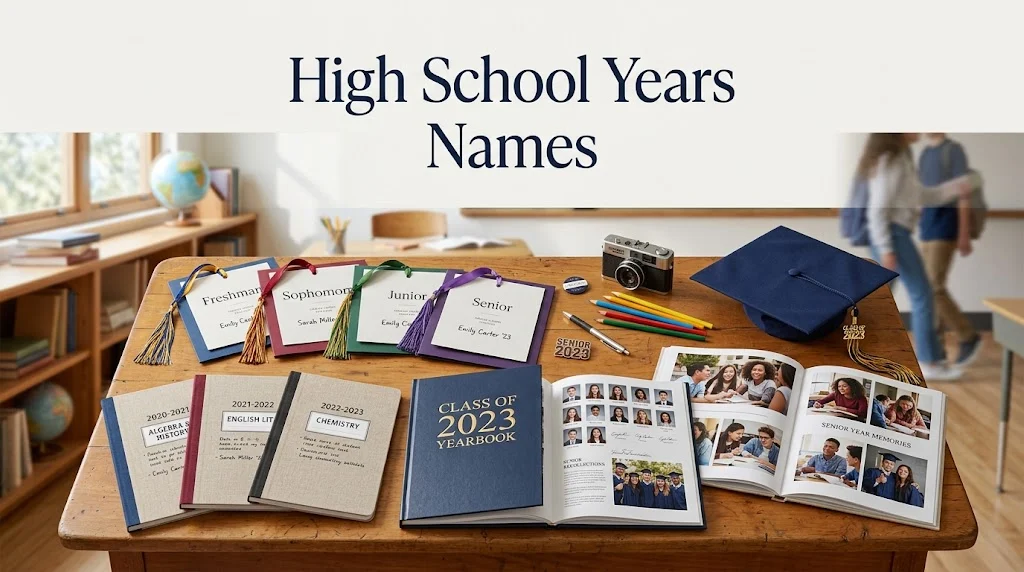
The four traditional high school year names in the United States are freshman, sophomore, junior, and senior. They usually refer to grades 9, 10, 11, and 12, respectively, although terminology can vary by school and country.
High school is full of unforgettable moments, from the excitement of the first day to the celebrations that come with graduation. Each year brings new friends, different challenges, funny memories, and opportunities to discover who you are. That is why finding the right high school years names can be a fun way to celebrate every stage of the journey.
Each name represents a different grade and a new chapter in student life. However, these years can also have creative nicknames that capture their personality, whether you are naming a yearbook section, creating a class group, planning a school event, or writing a graduation post.
From playful titles like “Fresh Start” to memorable names like “The Final Chapter,” there are many ways to make each school year feel special.
In this guide, you will discover the four traditional high school year names, ten creative alternatives, their meanings, and practical tips for choosing a name that matches your school memories.
Freshman Year
Meaning: First year of high school.
Origin: The term “freshman” developed in English to describe a person in their first year of study. It is commonly used in American schools and colleges.
Personality: Freshman year represents curiosity, excitement, new friendships, and the beginning of an unfamiliar adventure.
Style: Fresh, youthful, energetic, and optimistic.
Best For: Grade 9 students, welcome-week activities, school group chats, first-year photo albums, and orientation events.
Popularity: Freshman remains the standard term for first-year high school students in the United States.
Emotional Appeal: Everything feels new during freshman year. Students explore new subjects, meet classmates, and begin creating memories that may last long after graduation.
Pop Culture Reference: Teen movies and television shows often portray freshman year as the beginning of a student’s high school journey.
Similar Nicknames: Fresh Start, New Beginnings, First Steps, Rookie Year, The Opening Act.
Why It Still Works Today: Freshman year marks a clear beginning. Creative names such as “Fresh Start” make it easy to celebrate the excitement of starting something new.
Sophomore Year
Meaning: Second year of high school.
Origin: “Sophomore” is an English term historically associated with second-year students. Its origins are linked to Greek-derived words associated with wisdom and foolishness.
Personality: Sophomore year often represents growing confidence, greater independence, and a better understanding of school life.
Style: Confident, playful, developing, and adventurous.
Best For: Grade 10 students, class shirts, school events, yearbook sections, and group projects.
Popularity: Sophomore is widely used in American high schools and colleges.
Emotional Appeal: By the second year, many students feel more comfortable with their surroundings. They know the routines, recognize familiar faces, and begin exploring more interests.
Pop Culture Reference: Coming-of-age stories sometimes use sophomore year to show how students grow after their first experiences in high school.
Similar Nicknames: Level Two, The Growth Year, Finding Our Way, Second Chapter, Rising Stars.
Why It Still Works Today: Sophomore year captures the transition between being new and becoming more experienced. A nickname like “Level Two” adds a fun, modern touch.
Junior Year
Meaning: Third year of high school.
Origin: “Junior” is an English word meaning younger or lower in rank relative to a senior. In American education, it traditionally identifies third-year students.
Personality: Junior year can represent ambition, maturity, responsibility, and preparation for future goals.
Style: Motivated, bold, focused, and energetic.
Best For: Grade 11 students, school clubs, class events, academic projects, and yearbook themes.
Popularity: Junior is a standard term for third-year high school students in the United States.
Emotional Appeal: Junior year often brings important decisions about future education, careers, activities, and personal interests. It can feel like the bridge between school life and adulthood.
Pop Culture Reference: School dramas often portray juniors as students balancing friendships, academic responsibilities, and plans for the future.
Similar Nicknames: The Climb, Future Leaders, Almost There, The Turning Point, Next Level.
Why It Still Works Today: Junior year has a strong sense of progress. Names such as “The Climb” reflect students moving toward their final year while building confidence and experience.
Senior Year
Meaning: Fourth and final year of high school in the traditional American system.
Origin: “Senior” comes from a word meaning older or more advanced. In education, it commonly describes students in their final year.
Personality: Senior year represents achievement, independence, reflection, excitement, and anticipation.
Style: Memorable, celebratory, mature, and inspiring.
Best For: Grade 12 students, graduation parties, yearbooks, class merchandise, farewell events, and senior photo captions.
Popularity: Senior is the standard term for final-year high school students in the United States.
Emotional Appeal: Senior year brings together years of friendships, school traditions, challenges, and accomplishments. It is a time to celebrate how far students have come while looking ahead to new opportunities.
Pop Culture Reference: Graduation films and coming-of-age stories frequently use senior year as a turning point between school and the next stage of life.
Similar Nicknames: The Final Chapter, Lasting Legacy, The Grand Finale, Golden Year, One Last Ride.
Why It Still Works Today: Senior year is naturally meaningful because it closes one chapter and opens another. A title such as “The Grand Finale” makes a graduation theme feel special and memorable.
High School Years Names for Creative Class Themes
Meaning: Alternative titles that capture the mood or purpose of each grade.
Origin: Creative class titles come from school traditions, student culture, yearbook themes, and social naming trends rather than formal academic terminology.
Personality: These names can be funny, motivational, sentimental, or energetic.
Style: Trendy, playful, expressive, and memorable.
Best For: Class group chats, student clubs, school spirit events, class presentations, and yearbook designs.
Popularity: Creative school-year titles vary by school and student group. There is no single official list of alternative names.
Emotional Appeal: A shared title can make students feel connected and give a class its own identity.
Pop Culture Reference: Movie-inspired or music-inspired themes may work for school events when they are appropriate and permitted.
Similar Nicknames: The Dream Team, Future Legends, The Next Chapter, Unstoppable, The Memory Makers.
Why It Still Works Today: Creative names give students a way to express their shared personality. The best choice is one that feels inclusive and represents the group’s actual experience.
Funny High School Year Names
Meaning: Humorous titles used to describe the experiences of a particular school year.
Origin: These names often come from student jokes, classroom experiences, internet humor, and everyday school life.
Personality: Funny names are lighthearted, relatable, and playful.
Style: Casual, witty, modern, and entertaining.
Best For: Private group chats, school memes, yearbook captions, classroom projects, and friendly class competitions.
Popularity: Humorous names are popular for informal use, although preferences differ between student groups.
Emotional Appeal: Shared jokes can help classmates remember ordinary moments and laugh about experiences they had together.
Pop Culture Reference: School comedies often inspire playful titles about homework, exams, friendships, and school routines.
Similar Nicknames: Homework Survivors, The Snack Squad, Almost Graduated, Bell-Ringers, The Last-Minute Legends.
Why It Still Works Today: Humor makes a school-year title easy to remember. Choose something friendly that everyone can enjoy, rather than a name that embarrasses or excludes classmates.
Cute High School Year Names
Meaning: Friendly, cheerful titles that celebrate school friendships and memories.
Origin: Cute class names usually develop from group nicknames, school traditions, and social media culture.
Personality: These names suggest warmth, friendship, positivity, and a sense of belonging.
Style: Sweet, cheerful, soft, and youthful.
Best For: Friendship albums, class group chats, photo collections, graduation posts, and school club pages.
Popularity: Cute names are especially useful for informal groups and memory-focused projects.
Emotional Appeal: A sweet title can remind students of the people who made each school year meaningful.
Pop Culture Reference: Friendship-focused teen stories often celebrate the bonds that develop during school.
Similar Nicknames: Best Days Ever, Memory Makers, Forever Friends, Sunshine Class, The Happy Chapter.
Why It Still Works Today: Cute names emphasize the friendships and small moments that make school memorable. They are a good fit for groups that want a positive, welcoming identity.
Aesthetic High School Year Names
Meaning: Stylish titles that create a particular mood or visual identity.
Origin: Aesthetic naming draws on photography, design, music, social media, and popular visual themes.
Personality: These names can feel dreamy, artistic, nostalgic, minimalist, or sophisticated.
Style: Modern, elegant, nostalgic, creative, and visually appealing.
Best For: Yearbook themes, digital photo albums, social media highlights, graduation slideshows, and class presentations.
Popularity: Aesthetic names are useful when a school project needs a consistent visual style.
Emotional Appeal: A well-chosen title helps turn a collection of photos and memories into a story with a recognizable mood.
Pop Culture Reference: Retro photography, coming-of-age films, and music-inspired designs can provide creative inspiration.
Similar Nicknames: Golden Memories, After the Bell, Polaroid Days, Midnight Memories, The Golden Chapter.
Why It Still Works Today: Aesthetic titles combine meaning with visual appeal. They work especially well when paired with matching colors, typography, photographs, and a clear design theme.
Motivational High School Year Names
Meaning: Positive titles that encourage students to keep learning, growing, and working toward their goals.
Origin: Motivational class titles are inspired by school spirit, achievement themes, leadership activities, and graduation messages.
Personality: They suggest confidence, teamwork, ambition, perseverance, and hope.
Style: Inspiring, bold, energetic, and forward-looking.
Best For: School assemblies, class projects, student leadership teams, academic events, and graduation ceremonies.
Popularity: Motivational titles are often chosen for events where a group wants to communicate a shared goal.
Emotional Appeal: A positive title can remind students that every grade is an opportunity to develop skills, support friends, and move toward the future.
Pop Culture Reference: Sports stories and inspirational school films often use themes of teamwork, persistence, and personal growth.
Similar Nicknames: Future Leaders, Dream Chasers, Beyond Limits, Rising Together, Made to Shine.
Why It Still Works Today: Motivational names help create a shared sense of purpose. Choose one that encourages everyone without suggesting that success has only one definition.
Graduation Year Names
Meaning: Titles that celebrate a graduating class and mark the end of a school chapter.
Origin: Graduation titles come from class traditions, yearbook themes, commencement ceremonies, and commemorative merchandise.
Personality: These names often express pride, nostalgia, achievement, and excitement about the future.
Style: Celebratory, emotional, bold, and timeless.
Best For: Graduation parties, senior shirts, class banners, yearbooks, photo albums, and farewell presentations.
Popularity: Graduation-themed titles are widely used, but the wording and traditions vary from school to school.
Emotional Appeal: Graduation represents both an ending and a beginning. A memorable class title can preserve the feeling of that milestone.
Pop Culture Reference: Graduation songs, coming-of-age stories, and school traditions can inspire an event theme.
Similar Nicknames: Class of Tomorrow, The Next Chapter, Leaving a Legacy, The Final Bell, Ready for What’s Next.
Why It Still Works Today: A graduation title helps students look back on their shared experiences while celebrating future possibilities. Including the graduation year can also make the name more personal.
Quick Comparison Table
| Name | Meaning | Style | Best For |
|---|---|---|---|
| Freshman Year | First high school year | Fresh, youthful | Grade 9 |
| Sophomore Year | Second high school year | Confident, playful | Grade 10 |
| Junior Year | Third high school year | Ambitious, bold | Grade 11 |
| Senior Year | Final high school year | Celebratory, mature | Grade 12 |
| Fresh Start | New beginnings | Positive | Orientation |
| Level Two | Growing experience | Modern, playful | Grade 10 |
| The Climb | Progress toward goals | Motivational | Grade 11 |
| The Grand Finale | A memorable ending | Celebratory | Grade 12 |
| Homework Survivors | School humor | Funny, casual | Class chats |
| Golden Memories | Cherished moments | Aesthetic, nostalgic | Yearbooks |
How to Choose the Perfect High School Year Name
Choosing a high school year name is easier when you know where and how you plan to use it.
1. Match the grade. A name such as “Fresh Start” suits the beginning of high school, while “The Grand Finale” works naturally for a graduating class.
2. Consider your audience. A name for a private group chat can be funnier than one printed on a school banner or formal yearbook.
3. Choose a clear theme. Decide whether you want the title to feel cute, funny, aesthetic, motivational, or nostalgic.
4. Keep it memorable. Short titles are often easier to use on shirts, posters, invitations, and social media posts.
5. Ask classmates for ideas. A group vote can help everyone feel included in the final choice.
6. Think about design. Consider how the name will look alongside photographs, colors, fonts, and graduation-year numbers.
7. Keep it respectful. Avoid names that target individual students, make fun of personal circumstances, or create an uncomfortable atmosphere.
8. Make it meaningful. The best name reflects something real about the class, such as friendship, growth, school spirit, or a shared experience.
Most Popular High School Year Names
Here is a quick list of familiar grade names and creative alternatives:
- Freshman Year
- Sophomore Year
- Junior Year
- Senior Year
- Fresh Start
- Rising Stars
- The Dream Team
- Future Leaders
- The Memory Makers
- The Next Chapter
- The Golden Year
- The Grand Finale
- Class of Tomorrow
- Best Days Ever
- The Final Bell
The four traditional terms are formal grade labels in the American system. The other names are creative suggestions rather than official school classifications.
Vintage High School Year Names Making a Comeback
Nostalgic titles are a lovely choice for yearbooks, reunion albums, and graduation celebrations. They create a timeless feeling without depending on current slang.
Consider these vintage-inspired ideas:
- Golden Memories
- The Good Old Days
- Class Chronicles
- Yesterday and Tomorrow
- Forever Young
- The Memory Lane
- Our School Story
- Days to Remember
- The Final Chapter
- A Time to Remember
These names work well with retro fonts, classic school colors, printed photographs, and scrapbook-style layouts.
Modern High School Year Name Trends
Modern school-year names often combine short phrases with a clear emotional message. Instead of using a formal label alone, students may choose a title that reflects their class identity or a particular event.
Short and catchy names: Fresh Start, Level Up, The Climb, and Next Chapter are easy to remember.
Social media-inspired names: Golden Memories, After the Bell, and Polaroid Days work well for photo highlights and memory collections.
Motivational names: Future Leaders, Beyond Limits, and Rising Together suit academic events and school spirit campaigns.
Funny group names: Homework Survivors and The Last-Minute Legends can make informal class chats more entertaining.
Graduation-focused names: The Final Bell, Leaving a Legacy, and The Grand Finale help mark the transition beyond high school.
The strongest choice is one that feels natural to the students using it. Trends can provide inspiration, but a name connected to genuine memories is more likely to remain meaningful over time.
FAQs
What Are the Four High School Years Called?
In the United States, the four traditional high school years are freshman, sophomore, junior, and senior. They usually correspond to grades 9, 10, 11, and 12, respectively.
What Is Grade 9 Called in High School?
Grade 9 is commonly called freshman year in the United States. It marks the beginning of high school and often includes new classmates, subjects, routines, and school activities.
What Is Grade 10 Called in High School?
Grade 10 is commonly called sophomore year in the United States. It is the second year of high school, when students generally have more experience with school routines and expectations.
What Is Grade 11 Called in High School?
Grade 11 is commonly called junior year in the United States. Students may begin focusing more closely on graduation requirements, future education, career interests, and other long-term plans.
What Is Grade 12 Called in High School?
Grade 12 is commonly called senior year in the United States. It is generally the final year of high school and often includes graduation activities, applications, celebrations, and preparation for life after school.
Conclusion
Choosing high school years names is a creative way to celebrate the different stages of school life. The traditional names freshman, sophomore, junior, and senior make it easy to identify each grade, while creative alternatives add personality to yearbooks, class group chats, graduation events, and photo albums.
If you want something playful, try “Homework Survivors” or “Level Two.” For a stylish memory album, “Golden Memories” or “Polaroid Days” may be a better fit. And if you are celebrating graduation, “The Grand Finale” and “The Next Chapter” capture the excitement of moving forward.
Think about your class’s personality, choose a theme that feels natural, and invite friends to share their ideas. The best name is one that brings people together and reminds them of the moments they experienced as a group. Pick your favorite, share this guide with your classmates, and leave a comment with the high school year name you like most.
Discover More Related Articles:
- T Names for Boys | Strong & Stylish Ideas In 2026
- Mexican Soup Names | Delicious Ideas & Meanings In 2026