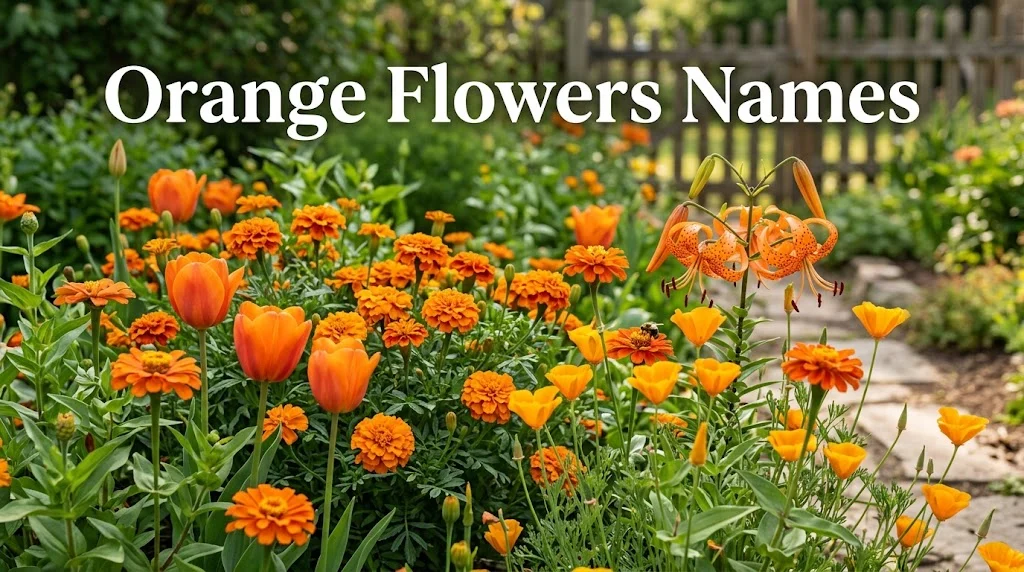
Popular orange flowers include marigolds, calendula, orange tulips, tiger lilies, zinnias, Mexican sunflowers, lantana, California poppies, bird of paradise, and crocosmia. These flowers offer different shades of orange, growing habits, blooming seasons, and garden uses.
Orange flowers bring warmth, energy, and color to gardens, bouquets, and outdoor spaces. Their bright shades range from soft peach and golden orange to fiery tangerine and deep burnt orange. Whether you love delicate petals or bold tropical blooms, there are plenty of beautiful varieties to explore.
Learning the different orange flowers names makes it easier to identify your favorite blooms and choose the right plants for your needs. Some orange flowers, such as marigolds, are popular for their cheerful appearance and easy care. Others, including bird of paradise, create a dramatic tropical look. Flowers like calendula and California poppy offer a softer, more natural style.
Orange blooms can also carry symbolic meanings, including enthusiasm, creativity, warmth, friendship, and confidence. These associations make them lovely choices for floral arrangements, celebrations, and thoughtful gifts.
In this guide, you will discover ten beautiful orange flowers, along with their characteristics, origins, growing styles, symbolic meanings, and best uses. You will also find practical tips for choosing orange flowers that suit your garden, climate, and personal style.
10 Beautiful Orange Flowers Names and Their Meanings
1. Marigold
Scientific name: Tagetes species
Meaning: Warmth, creativity, celebration, and good fortune in some cultural traditions.
Origin: Most commonly associated with the Americas, where many Tagetes species originated.
Appearance: Marigolds have bright orange or yellow flower heads with dense petals. Some varieties produce small, rounded blooms, while others grow larger flowers in rich orange shades.
Style: Cheerful, bold, traditional, and colorful.
Best For: Garden borders, flower beds, containers, seasonal decorations, and companion planting.
Popularity: Marigolds are widely grown because they offer vivid color and are relatively easy to care for.
Emotional Appeal: Their sunny appearance makes marigolds feel welcoming and festive. In several cultures, they are also associated with remembrance and important celebrations.
Growing Tips: Plant marigolds in a sunny location with well-drained soil. Water regularly while young, but avoid keeping the soil constantly soggy.
Similar Flowers: Calendula, zinnia, chrysanthemum, French marigold.
Why It Still Works Today: Marigolds are versatile and beginner-friendly. Their bright color suits both formal garden designs and relaxed cottage-style spaces.
2. Calendula
Scientific name: Calendula officinalis
Meaning: Warmth, cheerfulness, and affection in common floral symbolism.
Origin: The Mediterranean region and surrounding areas.
Appearance: Calendula produces daisy-like flowers in orange, golden orange, and yellow. Its soft petals surround a prominent central disk.
Style: Natural, cheerful, cottage-garden, and classic.
Best For: Flower beds, borders, containers, cutting gardens, and pollinator-friendly spaces.
Popularity: Calendula remains a familiar garden flower because it is attractive and can bloom over a long period in suitable conditions.
Emotional Appeal: Calendula has a gentle, sunny appearance that brings a welcoming feeling to gardens and bouquets.
Growing Tips: Grow calendula in full sun or light shade, depending on your climate. It often performs best in cooler weather and may struggle during intense summer heat.
Similar Flowers: Marigold, orange daisy, pot marigold, African daisy.
Why It Still Works Today: Calendula suits gardeners who enjoy natural-looking flowers and a traditional cottage-garden style. Its simple shape pairs well with other colorful blooms.
3. Orange Tulip
Scientific name: Tulipa species and cultivars
Meaning: Orange tulips are commonly associated with enthusiasm, energy, warmth, and admiration.
Origin: The tulip genus has a broad native range across parts of Europe, North Africa, and Asia, with many cultivated varieties developed over centuries.
Appearance: Orange tulips have smooth, cup-shaped flowers and upright stems. Their colors range from pale apricot to vivid orange and orange-red.
Style: Elegant, modern, romantic, and refined.
Best For: Spring gardens, flower arrangements, decorative pots, and special occasions.
Popularity: Tulips are popular ornamental flowers, and orange varieties add a lively alternative to classic red, pink, and white blooms.
Emotional Appeal: Their clean shape and vivid color create an impression of fresh energy and optimism.
Growing Tips: Most tulips grow from bulbs planted in autumn in climates with cold winters. They generally need good drainage and suitable winter chilling. In warm regions, variety selection and bulb preparation may require extra care.
Similar Flowers: Orange lily, ranunculus, poppy, double tulip.
Why It Still Works Today: Orange tulips combine a timeless flower shape with a bright modern color, making them excellent for both gardens and minimalist floral arrangements.
4. Tiger Lily
Scientific name: Lilium lancifolium
Meaning: Confidence, boldness, and pride in common floral symbolism.
Origin: East Asia.
Appearance: Tiger lilies are recognizable by their vivid orange petals, dark spots, and backward-curving petal tips. Their flowers have a dramatic, almost star-shaped appearance.
Style: Exotic, striking, dramatic, and traditional.
Best For: Garden borders, perennial beds, cutting gardens, and colorful landscape designs.
Popularity: Tiger lilies remain popular with gardeners who want tall plants with eye-catching flowers.
Emotional Appeal: Their spotted petals and unusual shape make them feel adventurous and distinctive.
Growing Tips: Plant tiger lilies in well-drained soil with sun to partial shade, depending on the climate. Keep in mind that true lilies can be extremely toxic to cats, so households with cats should avoid them.
Similar Flowers: Asiatic lilies, orange daylilies, trumpet lilies, fire lilies.
Why It Still Works Today: Tiger lilies offer a dramatic look without requiring complicated garden styling. Their tall stems also add height and structure to flower beds.
5. Mexican Sunflower
Scientific name: Tithonia rotundifolia
Meaning: Happiness, vitality, warmth, and optimism in general floral symbolism.
Origin: Mexico and Central America.
Appearance: Mexican sunflowers produce large, bright orange daisy-like flowers with golden central disks. Their tall stems and broad leaves give them a bold, informal appearance.
Style: Wild, tropical, cheerful, and energetic.
Best For: Cottage gardens, pollinator gardens, wildlife-friendly borders, and summer displays.
Popularity: This annual flower is valued for its strong color and ability to attract butterflies and other pollinators.
Emotional Appeal: Its vivid orange petals and open flower shape create a lively, sunny atmosphere.
Growing Tips: Plant Mexican sunflowers in full sun and well-drained soil. Give them enough space because some varieties can grow quite tall. They generally prefer warm weather.
Similar Flowers: Common sunflower, orange zinnia, calendula, African daisy.
Why It Still Works Today: Mexican sunflowers bring height, movement, and wildlife activity to gardens. They are particularly appealing for gardeners who prefer bold, natural planting schemes.
6. Zinnia
Scientific name: Zinnia elegans and related cultivated species
Meaning: Friendship, remembrance, affection, and lasting bonds in common floral symbolism.
Origin: The Americas, especially Mexico and surrounding regions for many popular species.
Appearance: Orange zinnias come in single, semi-double, and fully double forms. Their flowers may look like daisies or layered pom-poms.
Style: Playful, bright, informal, and versatile.
Best For: Summer flower beds, containers, cutting gardens, and colorful bouquets.
Popularity: Zinnias are beloved annuals because many varieties grow readily from seed and produce abundant flowers in warm weather.
Emotional Appeal: Their bright colors and varied shapes make them feel cheerful and friendly. They also mix beautifully with pink, yellow, red, and white flowers.
Growing Tips: Sow zinnias in warm soil and provide plenty of sunshine. Allow adequate spacing and good airflow to help reduce fungal problems.
Similar Flowers: Marigold, cosmos, calendula, Mexican sunflower.
Why It Still Works Today: Zinnias offer excellent color variety and are suitable for beginners. Orange varieties are particularly useful when you want a bright summer display.
7. Lantana
Scientific name: Lantana camara and related cultivated varieties
Meaning: Change, resilience, and vibrancy in informal floral symbolism.
Origin: Tropical regions of the Americas, with many cultivated forms now grown worldwide.
Appearance: Lantana produces clusters of tiny flowers. Depending on the cultivar, individual clusters may feature orange, yellow, pink, or mixed colors.
Style: Tropical, colorful, compact, and lively.
Best For: Warm-climate gardens, containers, sunny borders, and landscapes designed to attract butterflies.
Popularity: Lantana is widely grown in warm regions because it can tolerate heat once established.
Emotional Appeal: Its clusters of small flowers create a colorful, lively look, and mixed-color varieties add extra interest.
Growing Tips: Grow lantana in full sun with well-drained soil. Check whether it is invasive in your area before planting. Some lantana species and plant parts can also be toxic if eaten.
Similar Flowers: Verbena, pentas, Mexican sunflower, orange marigold.
Why It Still Works Today: Lantana is a practical option for sunny outdoor spaces in suitable climates. Its compact flower clusters work well in pots and landscape borders.
8. California Poppy
Scientific name: Eschscholzia californica
Meaning: Rest, peace, and remembrance in some floral symbolism.
Origin: Western North America, particularly California.
Appearance: California poppies have silky, cup-shaped petals in bright orange, golden orange, and yellow. Their delicate flowers open in sunshine and may close in dim light.
Style: Natural, delicate, wildflower, and relaxed.
Best For: Wildflower gardens, sunny borders, meadow-style planting, and low-water landscapes in suitable climates.
Popularity: California poppies are popular with gardeners who appreciate colorful flowers that can grow well in sunny, well-drained conditions.
Emotional Appeal: Their delicate petals and natural appearance give them a peaceful, carefree charm.
Growing Tips: Sow seeds in a sunny spot with well-drained soil. California poppies often dislike being transplanted and can perform well in suitable dry-summer climates. Avoid overwatering.
Similar Flowers: Iceland poppy, orange cosmos, calendula, African daisy.
Why It Still Works Today: California poppies offer bright color with a natural wildflower appearance. They are an attractive choice for informal gardens and water-conscious planting where conditions suit them.
9. Bird of Paradise
Scientific name: Strelitzia reginae
Meaning: Freedom, joy, beauty, and a sense of adventure in common floral symbolism.
Origin: South Africa.
Appearance: Bird of paradise flowers feature vivid orange petals and blue structures that rise from a sturdy, beak-like green bract. Their unusual shape resembles a tropical bird.
Style: Exotic, sculptural, bold, and luxurious.
Best For: Tropical landscapes, warm-climate gardens, conservatories, and dramatic floral displays.
Popularity: Bird of paradise is a well-known ornamental plant, especially in tropical and subtropical landscaping.
Emotional Appeal: Its striking shape and rich color create an immediate sense of drama. It is often chosen for arrangements that need a strong focal point.
Growing Tips: Provide plenty of bright light, well-drained soil, and protection from severe cold. It can also be grown in a large container where the climate is unsuitable for year-round outdoor planting.
Similar Flowers: Heliconia, canna lily, torch ginger, orange bromeliad.
Why It Still Works Today: Bird of paradise offers a distinctive architectural shape that few other flowers can match. It is especially effective in modern gardens and tropical-inspired interiors.
10. Crocosmia
Scientific name: Crocosmia species and cultivars
Meaning: Energy, warmth, and vibrancy in contemporary floral arrangements and informal symbolism.
Origin: Southern and tropical Africa.
Appearance: Crocosmia produces arching stems lined with bright orange, red-orange, or yellow-orange flowers. Its narrow leaves create a graceful, upright form.
Style: Dramatic, architectural, natural, and vibrant.
Best For: Perennial borders, mixed flower beds, cutting gardens, and wildlife-friendly planting.
Popularity: Crocosmia is valued for its summer flowers and graceful stems, which add movement and height to garden designs.
Emotional Appeal: Its fiery colors and curved stems make it feel energetic without being overly formal.
Growing Tips: Grow crocosmia in sun or partial shade with reasonably fertile, well-drained soil. Some varieties spread vigorously, so check the growth habit before planting.
Similar Flowers: Montbretia, orange gladiolus, red-hot poker, daylily.
Why It Still Works Today: Crocosmia combines bright flowers with attractive foliage and a graceful growth habit. It works well in gardens that need color, texture, and height.
Quick Comparison Table
| Flower Name | Main Color | Style | Best For |
|---|---|---|---|
| Marigold | Bright orange | Cheerful | Borders and pots |
| Calendula | Orange-gold | Cottage garden | Beds and containers |
| Orange Tulip | Apricot to orange-red | Elegant | Spring gardens |
| Tiger Lily | Spotted orange | Dramatic | Perennial borders |
| Mexican Sunflower | Vivid orange | Wild and bold | Pollinator gardens |
| Zinnia | Orange shades | Playful | Summer bouquets |
| Lantana | Orange or mixed | Tropical | Warm climates |
| California Poppy | Golden orange | Natural | Wildflower gardens |
| Bird of Paradise | Orange and blue | Exotic | Tropical displays |
| Crocosmia | Orange-red | Architectural | Summer borders |
How to Choose the Perfect Orange Flowers
Choosing orange flowers is easier when you consider the growing conditions, design, and purpose of your garden.
1. Check your climate. Some flowers thrive in warm weather, while others prefer cooler growing conditions. Calendula and tulips, for example, may need different care depending on your local climate.
2. Consider sunlight. Most orange-flowering plants grow best with plenty of sunlight, but individual needs vary. Check the plant label before selecting a location.
3. Choose the right size. Compact marigolds and some zinnias can fit in pots, while Mexican sunflowers and bird of paradise may need more space.
4. Decide how long you want blooms. Annual flowers often provide seasonal color, while perennials can return year after year when conditions are suitable. Blooming times vary with the variety and climate.
5. Think about your garden style. Marigolds suit colorful traditional beds, California poppies suit naturalistic planting, and bird of paradise makes a bold tropical statement.
6. Plan for pollinators. Many flowering plants provide food for butterflies and other pollinators. Choose a mix of suitable plants to offer flowers throughout the growing season.
7. Check safety. Some ornamental plants are toxic if eaten, and certain flowers can be dangerous to pets. Check plant safety before bringing new varieties into a home or garden.
Most Popular Orange Flowers for Gardens
If you want an easy starting point, consider these orange flowers:
- Marigold: A colorful option for sunny borders and containers.
- Zinnia: Excellent for summer color and cutting gardens.
- Calendula: A traditional choice for cottage-style beds.
- Mexican sunflower: Ideal for tall displays and pollinator gardens.
- California poppy: Suitable for sunny, well-drained wildflower areas.
- Lantana: Useful in warm climates, provided local growing guidance supports planting it.
The best choice depends on your climate, garden space, and preferred maintenance level. A flower that thrives in one region may struggle in another.
Orange Flowers That Bloom in Summer
Summer is an excellent season for many orange-flowering plants, especially in warm and sunny locations.
Zinnias offer a wide range of orange shades and can flower continuously when regularly maintained. Mexican sunflowers bring height and attract pollinators. Marigolds provide compact color for beds and pots, while lantana can thrive in hot weather in suitable regions.
Crocosmia adds graceful stems and warm colors to summer borders. Bird of paradise is suitable for tropical or subtropical conditions and can provide a striking focal point.
Always check the expected flowering season for the specific variety you choose. Planting time, rainfall, temperature, and local climate can all affect when flowers appear.
Orange Flowers for Bouquets and Arrangements
Orange flowers add warmth and contrast to bouquets. Their bright color can make an arrangement feel lively, welcoming, or dramatic.
- Orange tulips: Work well in clean, elegant spring arrangements.
- Zinnias: Add fullness and cheerful color to casual bouquets.
- Marigolds: Create a bold, festive look.
- Tiger lilies: Provide height and a dramatic focal point.
- Bird of paradise: Adds a sculptural tropical accent.
- Crocosmia: Brings movement and delicate vertical lines.
For a balanced arrangement, combine orange blooms with cream, white, soft pink, purple, or green foliage. For a stronger color scheme, mix orange with red and golden yellow.
Before using any flower in an arrangement, check its suitability for the setting, especially if pets or small children may come into contact with it.
Modern Orange Flower Trends
Orange flowers work with several popular garden and floral styles.
Warm color palettes: Orange, terracotta, rust, cream, and golden yellow create an earthy, coordinated look.
Wildflower-inspired gardens: California poppies, zinnias, and Mexican sunflowers can contribute to a relaxed, natural appearance when planted in suitable conditions.
Tropical planting: Bird of paradise and suitable tropical companions bring bold shapes and rich colors to warm-climate gardens.
Pollinator-friendly spaces: A variety of flowering plants can provide nectar and pollen for visiting insects. Choose regionally appropriate plants and avoid unnecessary pesticide use.
Container gardening: Compact marigolds and selected zinnias can brighten patios, balconies, and entryways.
These styles demonstrate that orange flowers are not limited to traditional garden beds. They can also work in contemporary landscapes, small outdoor spaces, and carefully arranged floral displays.
What Do Orange Flowers Symbolize?
Orange flowers are often associated with enthusiasm, creativity, warmth, excitement, and friendship. Their bright color can communicate happiness and positive energy, although the meaning of an individual flower depends on its cultural context.
Marigolds may be associated with celebration and remembrance in particular traditions. Orange tulips can suggest enthusiasm or admiration, while bird of paradise is often linked with freedom and joy.
Flower symbolism is not universal. Meanings vary by culture, occasion, and personal experience, so it is best to treat them as common interpretations rather than fixed rules.
Are Orange Flowers Easy to Grow?
Many orange flowers are suitable for beginner gardeners. Marigolds and zinnias are popular starting points because they generally grow well in sunny locations with appropriate watering and soil.
California poppies can be easy to grow in suitable climates, particularly where drainage is good. Calendula is another useful option, especially where temperatures are not excessively hot.
Other flowers require more planning. Tulips may need cold winter conditions or special preparation, while bird of paradise needs suitable warmth and space. Lantana also requires careful consideration because some forms can become invasive.
For the easiest results, choose plants suited to your local climate rather than selecting a flower based on color alone.
FAQs
What Are the Most Common Orange Flowers?
Marigolds, zinnias, calendula, orange tulips, tiger lilies, Mexican sunflowers, and lantana are popular orange-flowering plants.
Which Orange Flowers Are Best for Beginners?
Marigolds and zinnias are often good beginner choices. They generally grow well in sunny areas with suitable soil and regular care.
What Orange Flowers Bloom All Summer?
Marigolds, zinnias, and Mexican sunflowers can provide summer color when grown under suitable conditions.
What Is the Most Beautiful Orange Flower?
Beauty is subjective, but bird of paradise is striking because of its unusual shape, while tiger lilies stand out for their spotted petals.
Are Orange Flowers Good for Bouquets?
Yes. Orange tulips, zinnias, tiger lilies, and crocosmia can work well in bouquets. Bird of paradise is especially useful in tropical arrangements.
Conclusion
Orange flowers bring warmth, energy, and personality to gardens, bouquets, and outdoor spaces. From cheerful marigolds and colorful zinnias to elegant orange tulips and dramatic bird of paradise, there is a variety for nearly every style and growing environment.
When exploring orange flowers names, think about more than appearance. Consider each plant’s growing requirements, flowering season, mature size, and suitability for your climate. If you want an easy garden favorite, marigolds and zinnias are excellent starting points. For a natural look, consider California poppies, while bird of paradise creates a bold tropical display.
Orange blooms can also add meaning to gifts and floral arrangements, often representing warmth, creativity, enthusiasm, or joy. Choose the flowers that best match your space and purpose.
Which orange flower is your favorite? Share this guide with another flower lover and leave a comment with the variety you would most like to grow.
Discover More Related Articles:
- Black Women Names | Beautiful, Unique & Meaningful Ideas In 2026
- Drake London Fantasy Names | Funny & Creative Ideas In 2026









11 thoughts on “Orange Flowers Names | Beautiful Varieties In 2026”